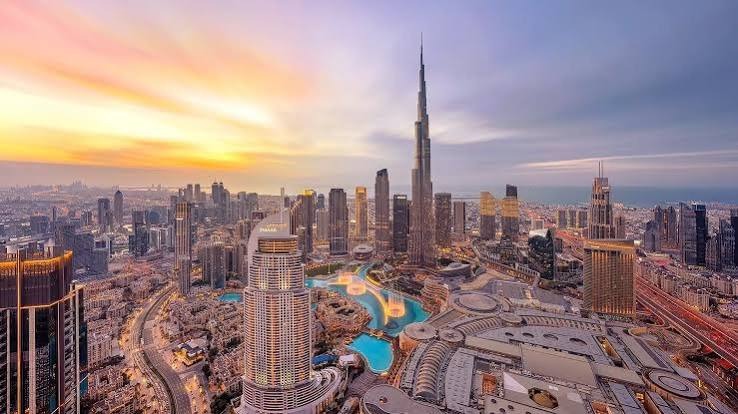
Dubai has emerged as a leading destination for commercial and industrial property investment, supported by its global trade connections, advanced infrastructure and expanding logistics sector. As international businesses strengthen their supply chains, demand for strategically located warehouses continues to create opportunities for property investors.
Identifying the Top Warehouse Locations for Investment in Dubai is essential for investors seeking rental income, long-term asset value and exposure to the emirate's industrial real estate market. From established commercial districts to developing logistics hubs, Dubai offers diverse warehouse investment opportunities suited to different business requirements.
Areas such as Jebel Ali, Dubai Investments Park, Dubai South, Al Quoz and Ras Al Khor are particularly relevant to investors exploring industrial and logistics properties.
This guide examines Dubai's leading warehouse investment locations, their commercial advantages, rental potential and the essential factors buyers should evaluate before purchasing industrial property.
Why Dubai Is a Prime Destination for Warehouse Investment
Dubai's strategic geographical position connects major markets across Asia, Europe and Africa. Its international ports, airports and extensive highway network support manufacturing, logistics, distribution and international trade activities.
The expansion of e-commerce, third-party logistics and specialised storage services has also increased the importance of high-quality warehousing facilities.
Key advantages of warehouse investment in Dubai include:
- Strategic connectivity: Access to Jebel Ali Port, Al Maktoum International Airport and major UAE transport corridors.
- Diverse tenant demand: Interest from logistics operators, manufacturers, distributors, retailers and e-commerce businesses.
- Industrial infrastructure: Established commercial zones featuring transportation networks, utilities and specialised facilities.
- Rental income opportunities: Industrial properties can generate recurring income through commercial leasing arrangements.
- Long-term economic development: Investment in logistics infrastructure and industrial capacity supports future demand.
Dubai's industrial real estate market offers opportunities across multiple property categories, from smaller storage facilities to large distribution centres.
Best Areas to Buy Warehouses in Dubai
Choosing the right location is one of the most important decisions in industrial property investment. Each warehouse district offers different advantages regarding connectivity, tenant demand, infrastructure and investment objectives.
1. Jebel Ali – A Leading Logistics and Industrial Investment Hub
Jebel Ali is among Dubai's most established industrial and logistics destinations. Its proximity to Jebel Ali Port makes it strategically important for businesses involved in import, export, shipping and international distribution.
The area includes mainland industrial districts and the Jebel Ali Free Zone, commonly known as JAFZA.
Investment advantages:
- Access to one of the region's major maritime trade hubs.
- Connectivity to Sheikh Zayed Road and key transport networks.
- Demand from freight, distribution and logistics businesses.
- Availability of different warehouse configurations.
- Established industrial and commercial infrastructure.
Investors considering warehouses in Jebel Ali should distinguish between mainland properties and free-zone facilities because ownership, leasing and operational regulations can differ.
2. Dubai Investments Park – Established Industrial Warehouse Investment Destination
Dubai Investments Park, widely known as DIP, is a mixed-use development incorporating industrial, commercial and residential facilities.
Its established industrial infrastructure makes it attractive to businesses requiring manufacturing units, storage facilities and distribution centres.
Investment advantages:
- Developed industrial and commercial infrastructure.
- Access to major road networks.
- Demand from manufacturing and logistics businesses.
- Warehouse options with different operational specifications.
- Opportunities for long-term commercial leasing.
DIP can be particularly relevant to investors seeking properties suitable for production, inventory management and regional distribution activities.
Its industrial ecosystem also supports businesses requiring access to suppliers, transport companies and supporting commercial services.
3. Dubai South – An Emerging Warehouse and Logistics Investment Hub
Dubai South is a major master-planned development designed around aviation, logistics, commercial activity and residential growth.
Its location near Al Maktoum International Airport makes it particularly relevant for businesses that prioritise air-cargo access and regional distribution.
Investment advantages:
- Proximity to Al Maktoum International Airport.
- Planned logistics and aviation infrastructure.
- Connections to major transportation corridors.
- Opportunities for modern warehouse and distribution facilities.
- Long-term development potential.
Dubai South is attractive to investors looking beyond established industrial areas and considering locations positioned for future logistics expansion.
However, investors should assess existing infrastructure, current occupancy levels and completed developments rather than relying exclusively on future growth expectations.
4. Al Quoz – Prime Industrial Warehouses in Central Dubai
Al Quoz is one of Dubai's most recognised industrial districts. Located near major residential, retail and commercial destinations, it offers convenient access to central Dubai.
The area accommodates storage operators, manufacturers, automobile businesses, workshops and local distribution companies.
Investment advantages:
- Strategic position within urban Dubai.
- Strong accessibility to commercial and residential districts.
- Demand from last-mile delivery and service businesses.
- Established warehouse and industrial facilities.
- Opportunities for businesses requiring central storage locations.
Al Quoz is especially relevant to investors targeting tenants that need to deliver goods quickly across established Dubai neighbourhoods.
Warehouse age, road access, building condition and permitted industrial activities should be carefully evaluated because facilities vary considerably across the district.
5. Ras Al Khor – Strategic Commercial Warehouse Location
Ras Al Khor is an established industrial area offering convenient access to central and eastern Dubai.
Its commercial environment supports wholesale distribution, storage, trading operations and various industrial activities.
Investment advantages:
- Accessibility to major commercial districts.
- Connections to key Dubai highways.
- Established trading and distribution businesses.
- Storage facilities suitable for different industries.
- Potential demand from local logistics operators.
Ras Al Khor can be a practical option for investors prioritising existing commercial activity and access to central Dubai.
Property selection remains important, particularly when evaluating loading areas, parking capacity, warehouse height and compatibility with the intended tenant's operations.
6. Dubai Industrial City – Large-Scale Manufacturing and Warehouse Opportunities
Dubai Industrial City is a dedicated industrial destination supporting manufacturing, processing, storage and logistics activities.
Its location near Dubai's southern transport networks provides access to major industrial infrastructure.
Investment advantages:
- Industrial facilities designed for business operations.
- Proximity to logistics and transportation corridors.
- Opportunities for specialised storage and production facilities.
- Demand from manufacturing and distribution companies.
- Infrastructure supporting larger industrial operations.
Investors considering Dubai Industrial City should evaluate available utilities, power capacity, property specifications and the requirements of potential industrial tenants.
The area may be particularly suitable for investors targeting businesses that require larger operational spaces.
Warehouses for Sale in Dubai: Types and Investment Opportunities
Investors exploring Warehouses for Sale in Dubai will encounter several property categories designed for different commercial activities.
Understanding these differences is essential because warehouse specifications directly influence tenant demand and potential rental income.
Logistics and Distribution Warehouses
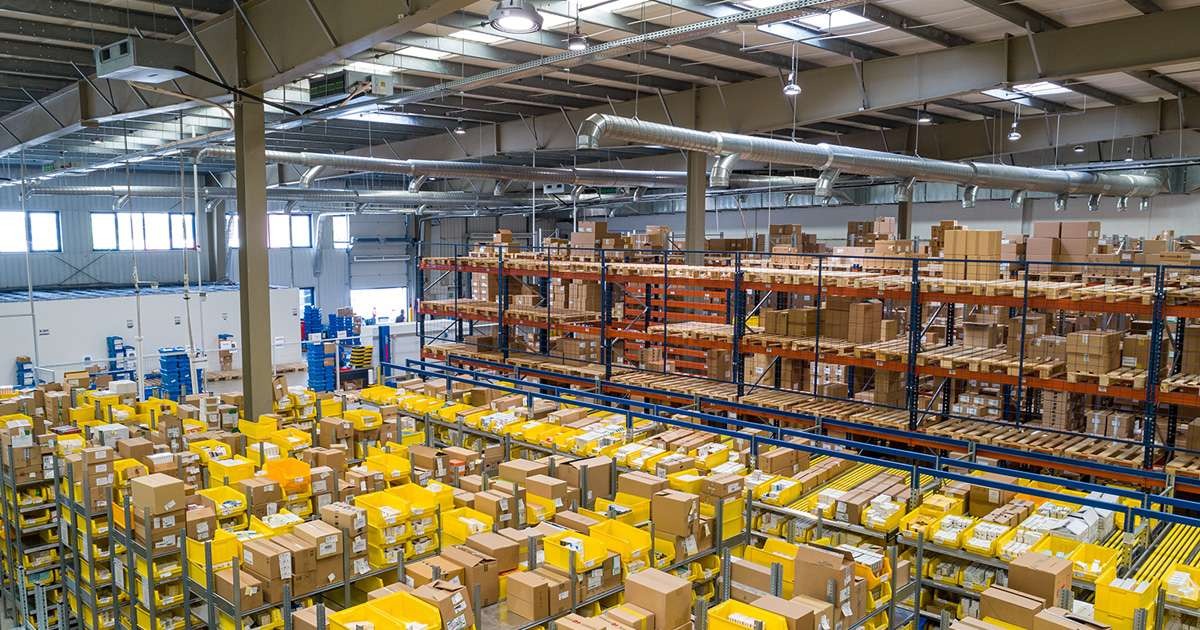
These properties accommodate inventory storage, order processing, freight operations and goods distribution.
Important features include loading docks, truck access, efficient floor layouts and proximity to major transport routes.
Cold Storage Warehouses
Cold storage facilities maintain controlled temperatures for products such as food, pharmaceuticals and other temperature-sensitive goods.
They require specialised refrigeration systems, insulation and suitable electrical infrastructure.
Investors must consider equipment maintenance, energy consumption and operational compliance when assessing these properties.
Manufacturing and Industrial Warehouses
Manufacturing warehouses provide space for production, assembly, processing and industrial storage.
Key property specifications can include electrical capacity, ceiling height, ventilation, loading access and industrial zoning approvals.
E-commerce Fulfilment Warehouses
E-commerce warehouses support inventory management, packaging, order preparation and last-mile distribution.
Properties with suitable access to major residential communities and transport corridors may appeal to online retailers and logistics service providers.
Industrial Warehouse Investment in Dubai: Key Factors to Consider
Successful Industrial Warehouse Investment in Dubai requires more than choosing a popular commercial location.
Investors should assess the legal, operational and financial characteristics of each property.
Property Ownership and Legal Requirements
Warehouse ownership arrangements vary by location, development and land designation.
Depending on the property, investment rights may involve freehold ownership, long-term leasehold or usufruct arrangements.
Foreign investors should verify the exact property's ownership eligibility, applicable land regulations and registration requirements before proceeding with a transaction.
Transportation and Accessibility
Connectivity is central to warehouse operations.
Properties near ports, airports and major highways may offer logistical advantages, but investors should also evaluate congestion, truck routes and access restrictions.
Infrastructure and Building Specifications
Warehouse functionality directly affects its attractiveness to commercial tenants.
Important considerations include:
- Clear internal ceiling height.
- Loading bays and vehicle access.
- Electrical capacity and utility connections.
- Fire protection and safety systems.
- Ventilation and temperature-control facilities.
- Parking and manoeuvring space for commercial vehicles.
- Permitted storage or industrial activities.
Investors should prioritise properties that meet the practical requirements of their target tenant category.
High ROI Warehouse Properties in Dubai: Rental Yields and Capital Appreciation
Investors searching for High ROI Warehouse Properties in Dubai should assess rental income, operating expenses, property acquisition costs and long-term tenant demand.
Industrial property performance is influenced by several factors, including building quality, warehouse location, accessibility and lease conditions.
How to Calculate Warehouse Rental ROI
Gross rental yield provides an initial indication of a property's income-generating potential.
Gross Rental Yield = (Annual Rental Income ÷ Total Property Acquisition Cost) × 100
For example, if a warehouse generates AED 400,000 in annual rent and the total acquisition cost is AED 5 million, its gross rental yield would be 8%.
This is an illustrative calculation, not a guaranteed market return.
Net rental yield should also account for expenses such as maintenance, insurance, management fees, vacancy periods and other ownership costs.
Factors That Influence Warehouse Rental Returns
Several characteristics can influence a warehouse's investment performance:
- Proximity to established industrial and commercial districts.
- Demand from logistics and manufacturing tenants.
- Long-term lease agreements and tenant financial stability.
- Modern warehouse specifications and energy efficiency.
- Limited availability of comparable properties.
- Potential for future rental growth.
A property offering the highest advertised yield is not necessarily the strongest investment. Investors should balance rental performance with asset quality, tenant reliability and liquidity.
Commercial Warehouses for Sale in Dubai: What Investors Should Evaluate
When comparing Commercial Warehouses for Sale in Dubai, investors should conduct thorough due diligence before making purchasing decisions.
The following factors deserve particular attention.
Warehouse Location and Market Demand
Evaluate the types of businesses operating in the surrounding area. An established industrial district with active logistics and manufacturing operations may provide a wider potential tenant base.
Building Condition and Maintenance
Inspect the structure, roofing, flooring, electrical systems, loading facilities and fire safety installations.
Older warehouses may require upgrades to meet modern operational requirements.
Tenant Profile and Lease Agreements
For tenanted properties, examine the existing lease terms, rental payment history, permitted usage and responsibilities for maintenance.
A financially stable tenant operating under a suitable long-term agreement may support consistent income.
Zoning and Regulatory Compliance
Confirm that the property is approved for its intended commercial or industrial activity.
Certain operations may require additional permits from the relevant authorities, particularly those involving manufacturing, hazardous materials, food storage or specialist equipment.
These characteristics provide a starting point for property evaluation. Actual investment returns depend on acquisition price, lease terms, ownership structure, property quality and market conditions.
How to Choose the Best Warehouse Location for Investment in Dubai
Selecting the right warehouse requires matching the property's characteristics with a clear investment strategy.
Investors should begin by identifying their preferred tenant category. Logistics providers may prioritise transportation links, while manufacturers may require specialised utilities and appropriate industrial zoning.
The next step involves comparing locations based on accessibility, market demand, expected rental income and property acquisition costs.
It is also important to assess the warehouse's adaptability. Buildings with efficient layouts and practical loading facilities may appeal to a broader range of future occupants.
Finally, investors should evaluate potential resale demand. A strategically located and well-maintained warehouse may offer greater flexibility when considering future leasing or disposal opportunities.
Future Outlook for Dubai's Industrial and Logistics Real Estate Market
Dubai's industrial property sector continues to evolve alongside developments in technology, logistics and international trade.
E-commerce fulfilment, automation, supply-chain optimisation and specialised storage are influencing the types of industrial properties businesses require.
Modern warehouses increasingly incorporate improved inventory systems, efficient loading infrastructure, energy-management technologies and adaptable internal layouts.
The expansion of logistics infrastructure in areas such as Dubai South and established commercial activity in Jebel Ali, DIP and Al Quoz are important considerations for long-term investors.
Market research published during 2026 also points to sustained interest in Dubai's industrial real estate sector, although rental performance varies substantially by location and building specification.
Investors should continue monitoring new supply, occupancy levels, infrastructure development and tenant requirements before making acquisition decisions.
Conclusion
Understanding the Top Warehouse Locations for Investment in Dubai helps investors identify commercial assets aligned with their financial objectives and long-term property strategies.
Jebel Ali offers international trade connectivity, Dubai Investments Park provides established industrial infrastructure, and Dubai South presents opportunities connected to aviation and logistics development. Meanwhile, Al Quoz, Ras Al Khor and Dubai Industrial City serve businesses with diverse storage, manufacturing and distribution requirements.
The strongest warehouse investments combine strategic location, appropriate building specifications, sustainable tenant demand and careful financial evaluation.
At Gold Vault Properties, investors can explore commercial real estate opportunities across Dubai and identify warehouse properties that align with their investment requirements.