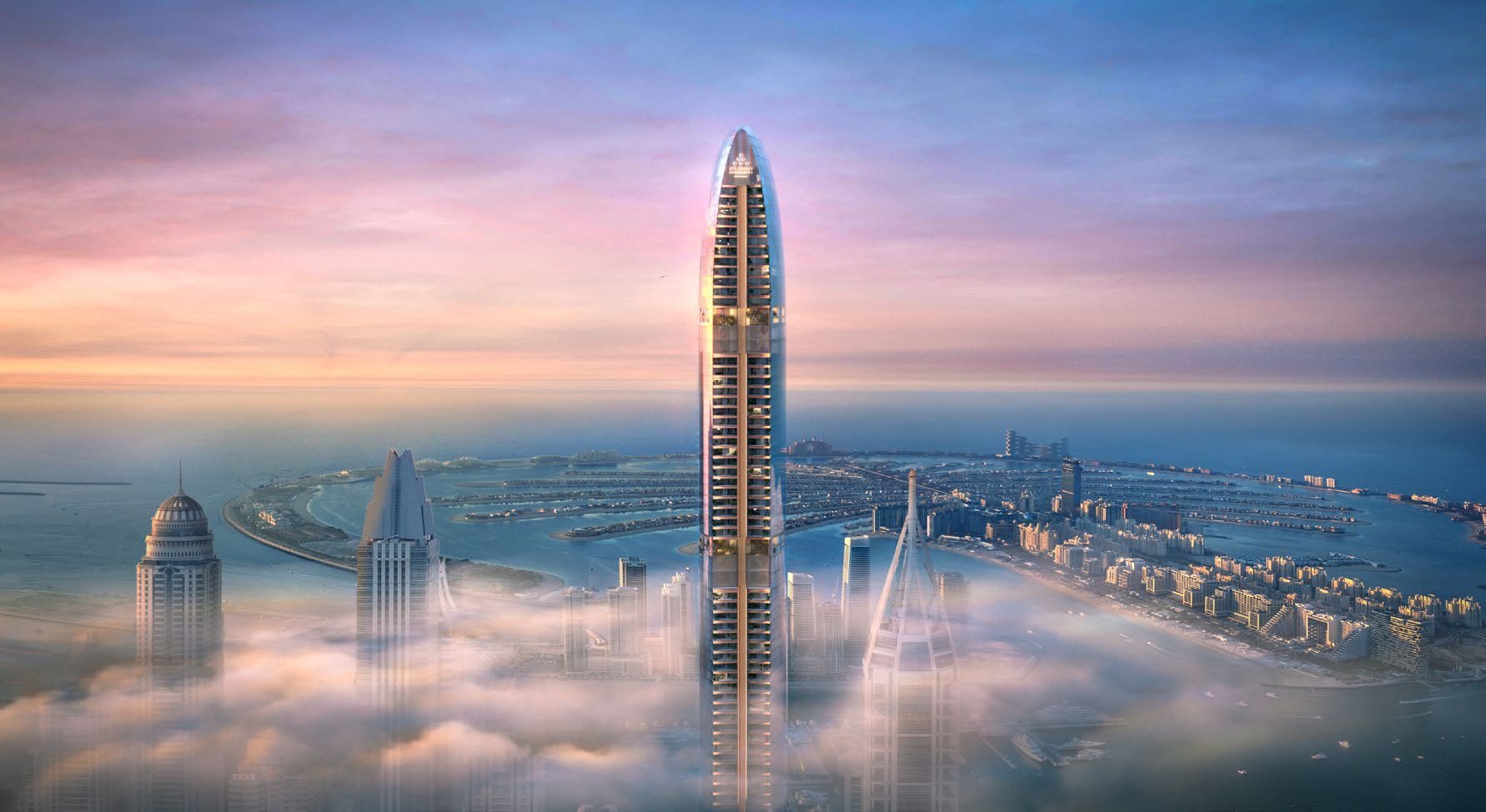
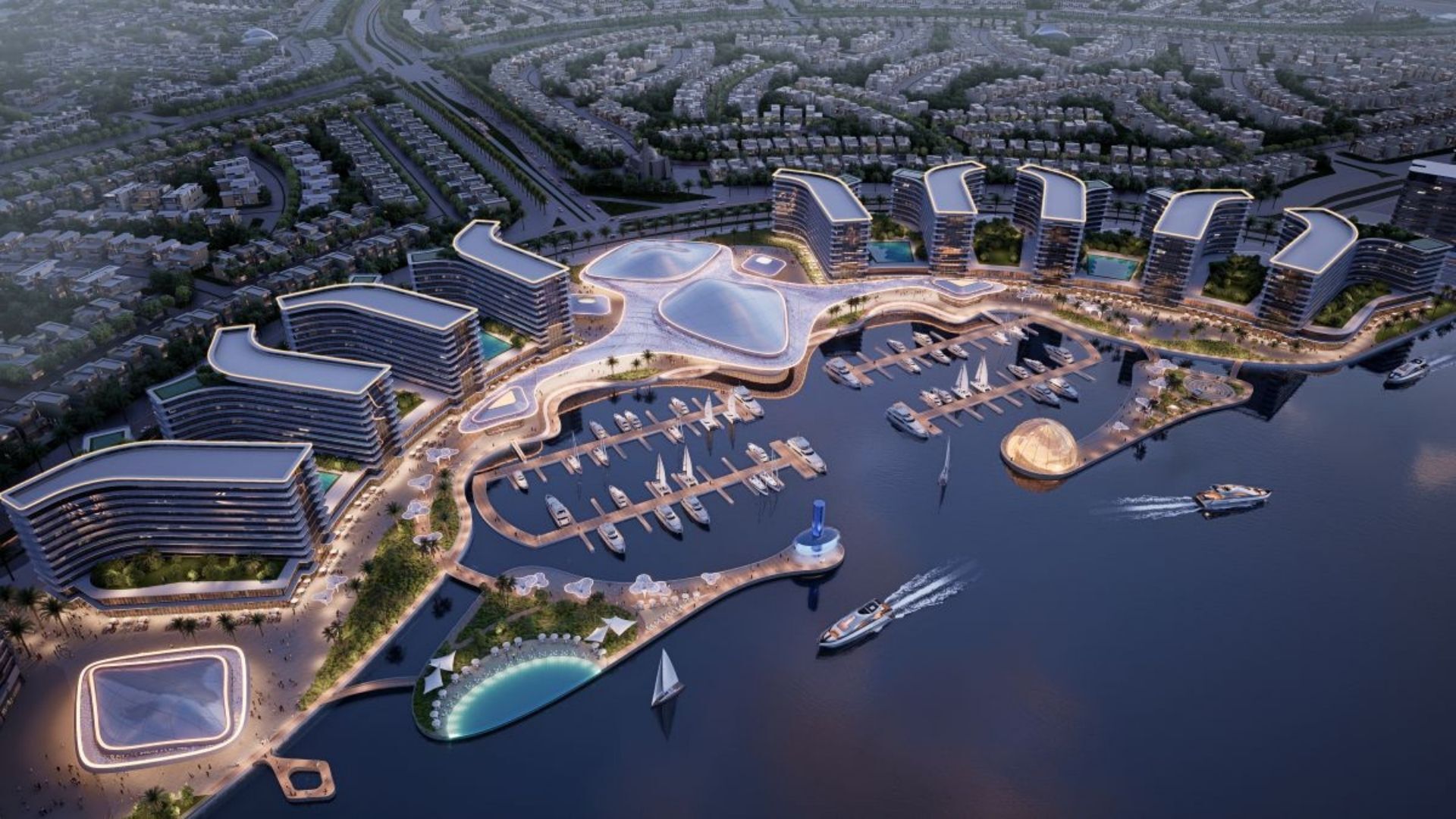
Dubai Islands is rapidly emerging as one of the city’s most distinctive waterfront destinations, bringing together coastal residences, hospitality, leisure, retail and open spaces within one master-planned setting. This expanding ecosystem is creating interest among buyers who want both lifestyle value and long-term financial potential. For anyone researching ROI in Dubai Island, the opportunity should be assessed through rental income, capital appreciation, ownership costs and market demand—not through headline projections alone.
Although “ROI in Dubai Island” is a commonly used search phrase, the official destination is Dubai Islands. Its location near Deira and planned mix of homes, resorts and attractions give it demand drivers beyond a conventional residential neighbourhood.
Understanding ROI in Dubai Island
Return on investment measures how effectively a property generates value compared with the capital committed to it. In real estate, that value can come from recurring rental income, an increase in the property's resale price, or a combination of both. A reliable Dubai Islands property investment ROI assessment therefore considers current cash flow as well as potential long-term appreciation.
Gross rental yield offers a quick initial comparison. It is calculated by dividing annual rental income by the property's purchase price and multiplying the result by 100. Net rental yield provides a more realistic picture because it subtracts service charges, maintenance, management fees, vacancy losses and other operating expenses before calculating the return.
Total ROI may also include capital appreciation. If a home is acquired during an early development stage and later rises in value as infrastructure, hospitality and community amenities are completed, that increase contributes to the overall return. However, appreciation is market-dependent and should never be treated as guaranteed.
Why Dubai Islands Has Strong Investment Fundamentals
The master plan positions Dubai Islands as five connected destinations with waterfront, beaches, parks, resorts, cultural spaces and golf facilities. Successful coastal communities depend on this combination of public spaces, access, hospitality and visitor attractions.
Several fundamentals support interest in high ROI properties in Dubai Islands:
- Limited waterfront land can create scarcity for well-positioned homes.
- Beach access and sea views can support rental and resale premiums.
- Resorts, restaurants and leisure venues can expand visitor demand.
- Proximity to Deira and Dubai International Airport supports accessibility.
- New roads and community infrastructure can improve long-term connectivity.
- Freehold ownership broadens the market to international purchasers.
- A varied property mix attracts investors, residents, families and holidaymakers.
Rental Yield Potential in Dubai Islands
Dubai Islands rental yield will vary by property type, unit size, building quality, furnishing, view and leasing model. Efficient apartments can attract professionals and holiday-home guests, while larger residences may appeal to families. Proximity to beaches, promenades and retail can strengthen demand.
Long-term leasing can provide stable annual income and fewer operational responsibilities. Short-term rentals can capture tourism demand, but revenue must be measured against furnishing, utilities, cleaning, platform charges, licensing, management and fluctuating occupancy.
Investors should compare both strategies using conservative assumptions. A high nightly rate does not automatically produce a superior net return because occupancy, expenses and seasonality determine the result. Rental evidence should be checked against comparable listings and registered tenancy information.
Properties with Attractive ROI Potential
The best properties for investment in Dubai Islands depend on budget, risk tolerance and holding period. There is no single unit type that suits every strategy.
Waterfront Apartments
One- and two-bedroom apartments can balance accessibility, tenant demand and resale liquidity. Functional layouts, balconies, unobstructed views, quality finishes and reasonable service charges improve competitiveness.
Villas and Townhouses
Villas and townhouses offer space, privacy and family-oriented living. Homes near beaches, parks and facilities may command premium rents, although maintenance and a smaller tenant pool must be considered.
Penthouses and Branded Residences
Penthouses and branded residences target premium buyers. Panoramic views, concierge services and hospitality amenities support exclusivity. Performance may depend more on scarcity and appreciation than maximum rental yield.
Off-Plan Properties
Off-plan purchases can provide staged payments and access to early development phases. Investors may benefit as construction and infrastructure progress. Analysis should cover developer reputation, escrow protection, registration, completion schedule and competing supply at handover.
Ready Properties
Ready homes allow inspection and can generate rent sooner. Investors can examine actual service charges, occupancy and achieved although earlier appreciation may already be reflected in the price.
Factors That Can Increase Property Returns
Within the same building, two apparently similar homes can deliver different results. The strongest Dubai Islands real estate investment opportunities commonly combine several attributes:
- An efficient layout with minimal unusable space
- A protected sea, beach, marina or park view
- Convenient access to roads, retail and leisure facilities
- A reputable developer with a credible delivery record
- Durable finishes that reduce maintenance and replacement costs
- Amenities aligned with the intended tenant profile
- Competitive service charges relative to the building’s facilities
- A payment structure suited to the investor’s cash flow
- Limited competing inventory within the same unit category
Market timing also matters. Entering early may offer appreciation potential, while buying closer to completion can reduce construction uncertainty. The better choice depends on the investor's liquidity and risk tolerance.
Costs That Affect Net ROI
A professional calculation must include acquisition and operating expenses. These can include Dubai Land Department registration, agency commission, mortgage charges, service fees, maintenance, insurance and management. Short-term rentals also require utilities, cleaning and furniture replacement.
Vacancy should be modelled even when current demand appears strong. Using full occupancy in every projection can overstate performance. Investors should calculate a conservative scenario, an expected scenario and a stronger-demand scenario to understand how changes in rent, occupancy or expenses affect cash flow.
Future Drivers of Dubai Islands Property Investment ROI
Dubai Islands is still moving through stages of development, so future value will be influenced by execution. New hotels, beaches, marinas, retail destinations, public spaces and transport improvements can increase footfall and strengthen the community’s identity. As more facilities become operational, the destination may attract a wider mix of residents, tourists and businesses.
Technology may also influence performance. Smart-building management, energy monitoring and predictive maintenance can reduce inefficiencies. Operating efficiency, sustainability and digital services are likely to become stronger points of comparison.
Individual returns will remain dependent on supply, demand, execution quality and the price paid at entry.
Risks Investors Should Consider
Every investment carries risk. In Dubai Islands, investors should account for construction delays, changes to the future supply pipeline, service-charge increases, view obstruction and competition between similar units. Short-term rental income may fluctuate with tourism seasons, while mortgage costs can change with interest rates.
Liquidity also matters. An efficient apartment may attract a broader resale audience than an unusually large or customised property. Investors should identify the likely future buyer and establish a clear exit strategy.
How to Build a Smarter Investment Strategy
Define whether the priority is immediate income, long-term growth or both. Compare buildings using price per square foot, expected rent, service charges, completion status and competing supply. Calculate gross yield, net yield and cash-on-cash return separately.
Diversification can reduce concentration risk. Investors may combine an income-focused apartment with a longer-term appreciation asset, then review transaction evidence, rents and construction progress regularly.
FAQs
What determines ROI in Dubai Island?
ROI is influenced by purchase price, rental income, occupancy, service charges, maintenance, financing, property type, location and resale appreciation. Net ROI is more useful than gross yield because it accounts for operating expenses.
Are apartments or villas better for investment?
Apartments may provide a wider tenant pool and faster leasing, while villas can command higher absolute rents from families. The better option depends on entry cost, annual expenses, tenant profile and intended holding period.
Can off-plan property produce a strong return?
Off-plan property can benefit from staged payments and development-stage appreciation. Its performance depends on the entry price, developer reliability, delivery schedule, final quality and level of competing supply at handover.
Is short-term or long-term rental more profitable?
Short-term rental may generate higher gross revenue in strong tourism periods, but it carries greater operating costs and occupancy variability. Long-term leasing generally offers more predictable income and simpler management.
Is ROI guaranteed in Dubai Islands?
No property return is guaranteed. Published yield figures are estimates based on assumptions. Investors should use verified comparable rents, realistic expenses and multiple scenarios before reaching a decision.
Conclusion
The outlook for ROI in Dubai Island is supported by waterfront scarcity, destination planning and Dubai’s global appeal. Yet strong results require disciplined selection. An efficient unit, credible developer, competitive ownership costs and realistic rental strategy can materially improve performance.
As Dubai Islands develops into a more complete coastal district, its best-positioned properties may benefit from both rental demand and long-term value growth. Investors who assess net income, infrastructure delivery, competing supply and exit liquidity will be better equipped to identify durable opportunities in this evolving waterfront market.