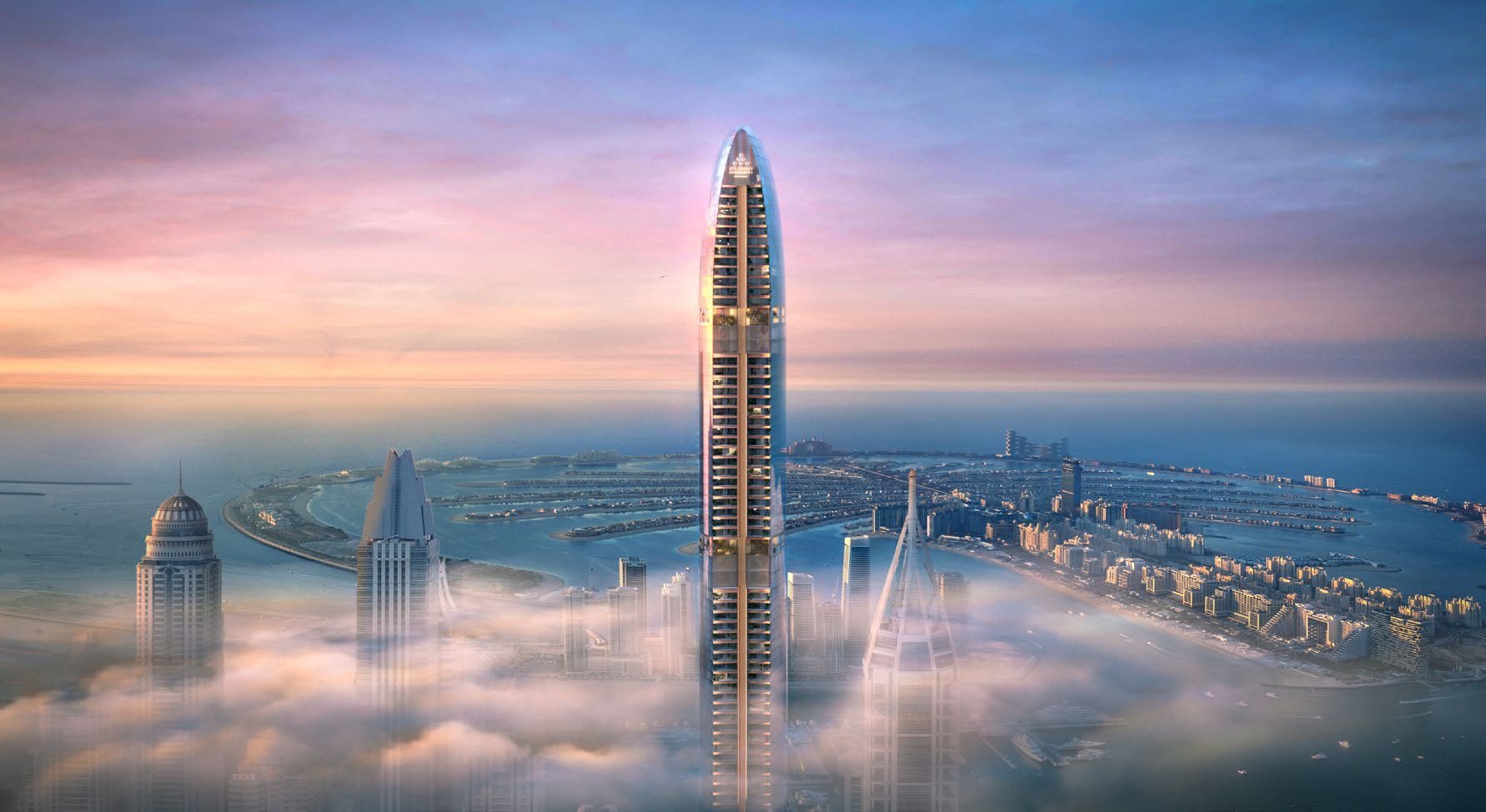
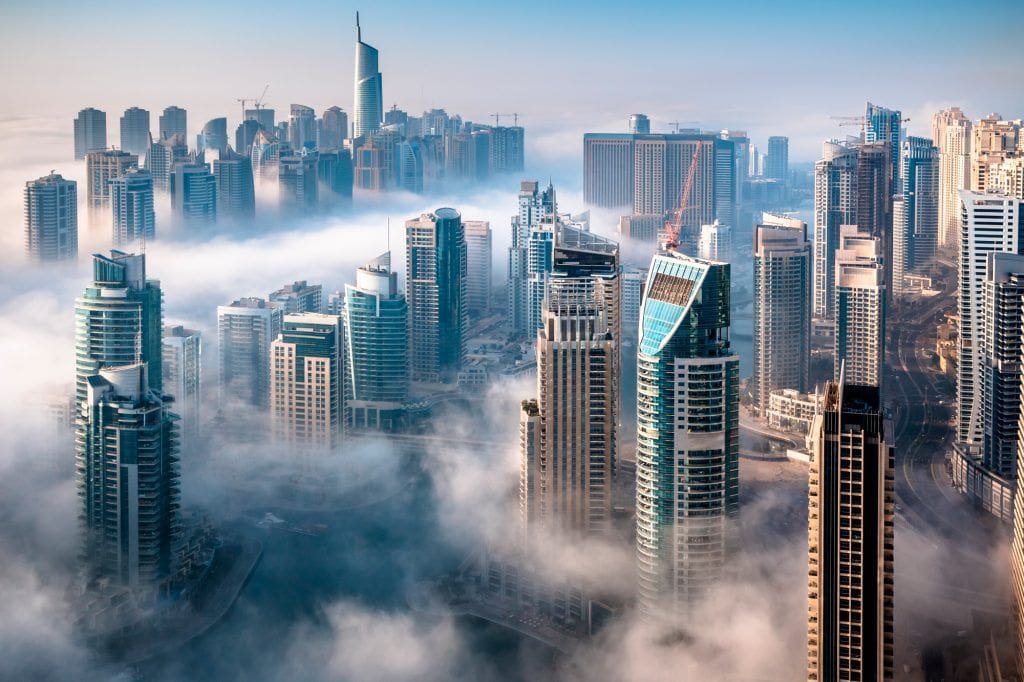
Property investment Dubai opportunities continue to attract buyers seeking rental income, long-term capital appreciation and international portfolio diversification. Supported by modern infrastructure, a regulated property sector, a growing population and global business connectivity, Dubai has developed into one of the world’s most visible real estate destinations.
The market provides opportunities across apartments, villas, townhouses, branded residences, waterfront homes and commercial properties. Investors can also choose between off-plan developments, completed homes and secondary-market properties according to their budget, objectives and preferred investment period.
However, a successful Dubai real estate investment requires more than selecting an attractive development. Investors must assess the location, developer, property type, tenant demand, service charges, future supply and potential exit strategy. A well-researched approach can help investors identify properties with sustainable demand instead of relying only on short-term market excitement.
Understanding the Property Investment Dubai Market
Dubai’s property market serves local buyers, expatriate residents and international investors. This diverse buyer base supports demand across different property segments, from accessible apartments to luxury waterfront villas.
Recent official figures also demonstrate the scale of market activity. According to the Dubai Land Department, Dubai recorded AED252 billion in real estate transactions during the first quarter of 2026, representing a 31% year-on-year increase in transaction value. Real estate investment during the same period reached AED173 billion across 57,744 investments. These figures indicate continuing investor participation, although past performance should never be treated as a guarantee of future returns.
Dubai’s position as a business, tourism and lifestyle centre strengthens its residential market. International companies, entrepreneurs, professionals and families create demand for both owned and rented properties. Transport networks, airports, business districts, schools, healthcare facilities and leisure destinations further influence the performance of individual communities.
Why Investors Consider Dubai Real Estate
Several factors support the appeal of property investment in Dubai.
- Foreign buyers can purchase property in designated freehold areas.
- The city offers both established communities and emerging growth corridors.
- Investors can choose between rental-income and capital-growth strategies.
- Dubai has strong international air connectivity and a diverse expatriate population.
- The property sector is regulated by the Dubai Land Department and the Real Estate Regulatory Agency.
- A wide selection of off-plan and ready properties supports different investment objectives.
- Certain qualifying property investments may support long-term residency applications.
- Master-planned communities provide integrated residential, retail and leisure facilities.
Dubai also offers flexibility. An investor seeking immediate rental income may prefer a completed apartment in an established community. Another buyer may choose an off-plan home in a developing location with a longer investment horizon. The right option depends on cash flow, risk tolerance and expected holding period.
Best Property Investment Opportunities in Dubai
The best property investment opportunities in Dubai are not limited to a single location or property type. Each community has a different tenant profile, supply level and growth outlook.
Established Central Communities
Downtown Dubai, Business Bay and Dubai Marina remain prominent investment locations because of their central positioning, business access and established rental markets. These areas offer apartments, penthouses, serviced residences and branded homes that appeal to professionals, executives and international tenants.
Established communities can provide greater rental visibility because investors can review completed transactions, existing rental contracts and current occupancy. However, buyers should also assess service charges, building age and competing supply before making a decision.
Family-Oriented Communities
Dubai Hills Estate, Arabian Ranches, Jumeirah Village Circle and Al Furjan attract residents seeking schools, parks, retail facilities and larger homes. Apartments may appeal to professionals and smaller households, while villas and townhouses can attract families planning to remain in the community for longer periods.
Family-oriented locations may support stable tenancy when they provide practical layouts, community facilities and convenient access to employment centres. Investors should examine local schools, transport links, maintenance quality and future residential supply.
Waterfront and Luxury Destinations
Palm Jumeirah, Dubai Creek Harbour, Emaar Beachfront, Dubai Harbour, Rashid Yachts & Marina and Dubai Islands offer waterfront lifestyles and premium residential options. These destinations can attract affluent end users, international buyers and tenants seeking distinctive views and leisure access.
Waterfront property may command premium demand, but the investment decision should still be based on unit quality, building management, accessibility, service costs and competing developments. A sea view alone does not guarantee strong investment performance.
Emerging Growth Corridors
Dubai South, Emaar South, Expo City Dubai and communities near Al Maktoum International Airport are often considered long-term growth locations. Infrastructure investment, employment creation and improved connectivity may contribute to future residential demand as these districts mature.
Emerging locations may offer appreciation potential, but they can also require a longer holding period. Investors should study construction schedules, infrastructure delivery, population growth and the amount of planned supply.
Off-Plan Property Investment Dubai Opportunities
Off-plan property investment Dubai options allow buyers to purchase a unit before completion. These properties often provide construction-linked payment plans, newer designs and access to developing communities.
Potential advantages include:
- Flexible instalment structures
- Entry into a community before it matures
- Modern layouts and amenities
- Potential capital appreciation during construction
- A wider choice of units during early project stages
Nevertheless, off-plan investment involves specific risks. Construction may be delayed, market conditions may change and future rental demand may differ from initial expectations. Investors should verify the developer’s registration, project approval, escrow arrangements, construction record and contractual obligations.
The Sale and Purchase Agreement should clearly explain the payment schedule, expected completion, unit specifications and remedies available if obligations are not met. Buyers should avoid treating marketing projections as guaranteed returns.
Ready Property Versus Off-Plan Property
Ready properties provide physical visibility. Investors can inspect the unit, assess the building, study actual rents and potentially lease the property soon after completion of the purchase. They may therefore be suitable for buyers prioritising immediate rental income.
Off-plan properties may be more appropriate for investors seeking payment flexibility and future appreciation. However, income normally begins only after handover and rental preparation.
Neither option is automatically better. Investors should compare:
- Total acquisition and ownership costs
- Expected rental start date
- Developer and building quality
- Current and future tenant demand
- Payment-plan obligations
- Service charges and maintenance
- Resale restrictions and market liquidity
- Planned community supply
- Personal investment horizon
How to Identify High ROI Properties in Dubai
High ROI properties in Dubai should be assessed using net returns rather than promotional claims. Gross rental yield compares annual rent with the property’s purchase value, while net rental yield considers recurring costs such as service charges, maintenance, management fees and vacancy periods.
An investment with a high advertised rent may produce a weaker net return if ownership costs are substantial. Similarly, a property with a moderate initial yield may perform well over time if the location benefits from infrastructure development and sustained tenant demand.
Important performance indicators include:
- Achievable annual rent
- Current occupancy and vacancy levels
- Service and maintenance charges
- Price per square foot
- Comparable sales and rental contracts
- Tenant profile
- Future property supply
- Building and community management
- Resale demand
- Expected holding period
Investors should also separate rental yield from capital appreciation. Rental yield measures recurring income, while appreciation refers to an increase in property value. A resilient investment strategy may consider both, but neither should be presented as certain.
Choosing the Right Investment Property Type
Apartments are commonly selected by first-time investors because they serve a broad tenant market and are available across many price categories. Studios and one-bedroom apartments may appeal to individual professionals, while larger apartments can suit couples and families.
Villas and townhouses offer additional space, privacy and family appeal. Their performance often depends on community facilities, schools, parks and road connectivity. Maintenance costs and tenant turnover should also be considered.
Branded residences and luxury properties can attract high-net-worth buyers seeking premium services, design and exclusivity. Their investment performance depends on brand strength, management quality, location and ongoing service costs.
Commercial properties, hotel apartments and serviced residences require more specialised analysis. Lease structures, operating agreements, business activity and management conditions can materially affect their returns.
Buying Investment Property in Dubai as a Foreigner
Foreign investors can own property in Dubai’s designated freehold areas, according to the Dubai Land Department. Buyers should confirm the ownership status of the selected property before proceeding.
Those planning to buy investment property in Dubai should work with a licensed broker and verify the project, developer and transaction documents through the relevant official channels. Completed property sales must be registered so that ownership is formally recorded.
The Dubai Land Department also provides access to transaction, rental, project, valuation, broker and developer information. Reviewing official data can help buyers compare asking prices with registered market activity.
Qualifying real estate investors may also be eligible for a UAE residency programme. Golden Visa thresholds, property conditions and documentation requirements can change, so investors should check the latest criteria through the Dubai Land Department or the UAE Government before making a residency-based decision.
Essential Due Diligence Before Investing
Professional due diligence can protect an investor from avoidable legal, financial and operational problems. Before buying, investors should evaluate:
- Investment objective: Decide whether the priority is rental income, capital growth, personal use or portfolio diversification.
- Location fundamentals: Examine transport, employment centres, schools, healthcare, retail and future infrastructure.
- Developer reputation: Review completed projects, construction quality, delivery history and regulatory status.
- Comparable evidence: Study registered sales, realistic rents and competing properties.
- Ownership costs: Consider registration, service charges, maintenance, management, furnishing and potential vacancy.
- Documentation: Review the Sale and Purchase Agreement, title information, payment obligations and handover terms.
- Exit strategy: Understand the likely buyer pool, resale liquidity and preferred holding period.
For financed purchases, investors should also obtain mortgage pre-approval and understand the down payment, interest structure and monthly repayment obligations. Cash flow should remain manageable even during temporary vacancy or market fluctuations.
The Future of Dubai Property Investment
The future of property investment Dubai is likely to be shaped by infrastructure, technology, sustainability and changing resident expectations. Smart buildings, energy-efficient systems, walkable communities and integrated digital services are becoming more relevant to both buyers and tenants.
Transport development may influence demand by reducing travel times between residential communities, business districts and airports. Areas connected to expanding economic zones may benefit as employment and population increase, although development timelines should be independently verified.
Investors should also monitor new supply. A growing market can still experience competition when many similar units are completed together. Properties with efficient layouts, credible developers, strong management and practical locations may be better positioned to retain tenant interest.
Data will play a larger role in future investment decisions. Rather than depending only on brochures, investors can compare transaction history, rental indices, service charges, supply pipelines and community performance. This evidence-led approach can support more realistic decisions.
Building a Resilient Dubai Property Portfolio
A resilient portfolio should not depend on one assumption. Investors can diversify across property types, locations, completion stages and tenant segments. For example, a completed apartment may support current income, while a carefully selected off-plan property may provide longer-term growth exposure.
Regular portfolio reviews are equally important. Rental performance, maintenance costs, mortgage obligations and market conditions can change. Investors should be prepared to adjust rents, improve the property, refinance or sell when the original strategy no longer meets their objectives.
Conclusion
Property investment Dubai offers a broad range of opportunities for investors seeking rental income, capital growth and global portfolio diversification. The strongest results are more likely to come from careful research than speculation.
By assessing location fundamentals, net rental yield, developer quality, ownership costs, future supply and resale liquidity, buyers can make more informed decisions. Whether choosing an apartment, villa, waterfront residence or off-plan development, every purchase should support a clear financial objective and realistic holding strategy.