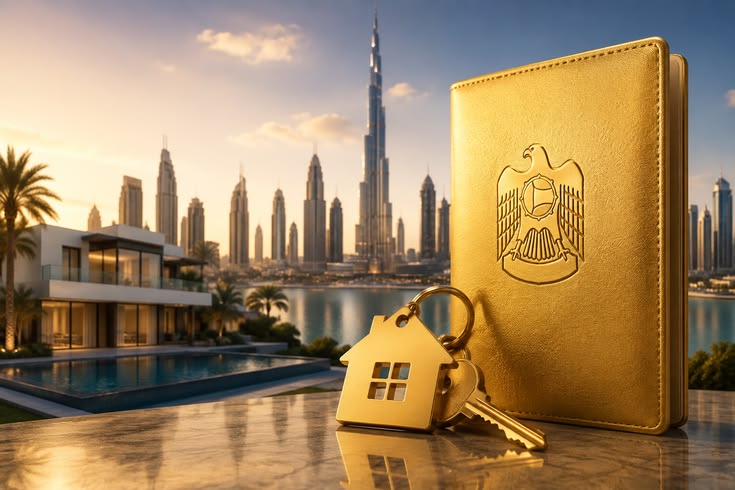

Dubai’s property market continues to attract international buyers seeking modern homes, portfolio diversification, and exposure to a globally connected city. Among the available strategies, Off-Plan Real Estate Investment Opportunities in Dubai stand out for their varied property choices, phased payment structures, and potential for long-term value creation. Successful buyers also assess location fundamentals, developer credibility, ownership regulations, realistic returns, and risks before handover.
Understanding Off-Plan Property Investment Dubai
Off-plan property is purchased before construction finishes, sometimes during the initial launch. Investors typically reserve a unit, sign a Sale and Purchase Agreement (SPA), and pay instalments according to the agreed schedule. Ownership and transaction arrangements must follow Dubai’s registration framework.
The primary market involves developer sales; the secondary market involves resale by existing owners. Off-plan buyers may access more layouts and launch-stage terms but generally receive no rent before completion.
Ask who will occupy the home, how much capital is required, and how easily it could be rented or resold.
Why Dubai Off-Plan Investment Opportunities Attract Global Buyers
Dubai combines major transport infrastructure, international business activity, tourism, and diverse residential communities. Freehold ownership in designated areas allows eligible foreign buyers to own properties, including qualifying off-plan units. This access makes the market relevant to both UAE residents and overseas investors.
Phased payments can make the purchase timeline more manageable than paying the full price immediately. Some investors seek future rental income; others focus on capital appreciation as communities mature. Neither outcome is automatic. Property prices respond to supply, financing conditions, tenant demand, and the wider economic cycle.
Test opportunities against comparable completed properties, operating expenses, and your holding period.
Best Locations for New Off-Plan Developments in Dubai
There is no universal best area: the appropriate location depends on budget, tenant profile, risk tolerance, and expected time to exit.
Jumeirah Village Circle and Al Furjan
Jumeirah Village Circle (JVC) offers an extensive apartment pipeline alongside parks, schools, and neighbourhood retail. Compare future supply and actual leasing evidence. Al Furjan adds established residential neighbourhoods and access to metro-connected locations, making unit positioning and walkability useful comparison factors.
Dubai South and Expo City
Dubai South attracts long-horizon investors interested in airport-related infrastructure, business districts, and planned residential expansion. Airport and Expo City proximity matters, but infrastructure announcements do not guarantee appreciation. Evaluate delivery dates, transport access, and the pace at which surrounding amenities are becoming operational.
Dubai Creek Harbour and Business Bay
Dubai Creek Harbour offers waterfront residences within a master-planned setting, appealing to buyers who value lifestyle and long-term placemaking. Business Bay provides a more central urban environment, with residential demand influenced by access to employment districts. Compare prices per square foot, quality, charges, and completed units.
Dubai Islands and Dubai Hills Estate
Dubai Islands introduces waterfront and resort-oriented developments where views, beach access, and infrastructure timelines can shape pricing. Dubai Hills Estate offers parks, schools, retail, and a mature community identity. Premium positioning does not guarantee strong net yields.
Best Off-Plan Projects in Dubai: What to Compare
A credible shortlist begins with the developer and ends with the individual unit. Established names active in Dubai include Emaar Properties, Sobha Realty, DAMAC Properties, Nakheel, Meraas, and Ellington Properties. Developer reputation alone does not remove risk.
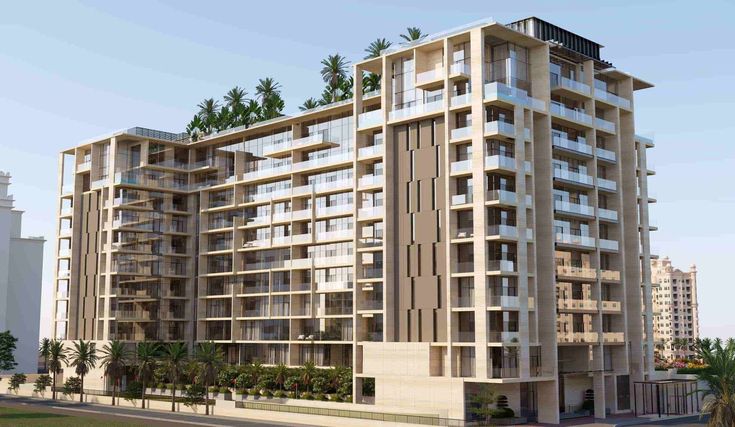
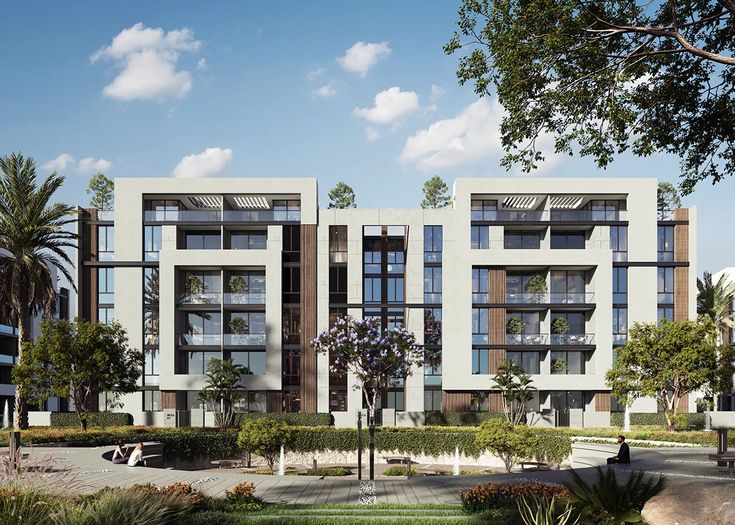
Examples appearing in Dubai’s new-project listings include Valia Tower in Dubai Creek Harbour, Avarra by Palace in Business Bay, The Meriva Collection in Dubai Islands, and Kore by Imtiaz in Dubai Land Residence Complex. Confirm current availability, prices, specifications, and handover dates.
Compare projects using consistent criteria:
- Location and access to transport, schools, workplaces, and retail.
- Unit configuration, usable area, orientation, and floor plan efficiency.
- Developer delivery record, construction progress, and project registration.
- Price per square foot, competing supply, and estimated service charges.
- Payment milestones, expected completion, and contractual resale conditions.
Connectivity and daily convenience can matter more than impressive amenities.
Apartments, Villas, Townhouses, and Waterfront Residences
Off-plan apartments range from studios to multi-bedroom homes and luxury penthouses. Studios and one-bedroom units may appeal to individual tenants, while two- and three-bedroom layouts can serve households requiring extra space. Research tenant demand by neighbourhood.
Townhouses and villas tend to attract families seeking privacy, outdoor space, and access to schools or community facilities. Waterfront and branded residences may command premiums for views, architecture, or lifestyle services, but those features can also increase acquisition costs and ongoing charges. Match each unit to its target tenant.
Payment Plans and the True Cost of Buying
New projects frequently offer construction-linked instalments. A 10/70/20 structure, for example, allocates 10% at booking, 70% during construction, and 20% at handover. Other projects may use 20/40/40 or 70/30 schedules. These are examples, not standard terms across all developers.
Beyond the advertised purchase price, account for Dubai Land Department registration charges, applicable brokerage and administration fees, financing costs, insurance where relevant, furnishing, and future service charges. Verify advertised developer incentives.
Maintain liquidity for instalments and possible delays.
High-ROI Off-Plan Properties Dubai: Measuring Returns Realistically
The phrase High-ROI Off-Plan Properties Dubai is attractive, but return calculations should replace marketing labels. Gross rental yield equals annual rent divided by the property purchase price, multiplied by 100. For illustration, an apartment purchased for AED 1,000,000 and rented for AED 70,000 annually produces a 7% gross yield.
Net yield is lower after service charges, maintenance, management fees, vacancy allowances, and other operating expenses. Total investor return also depends on financing, acquisition costs, potential resale proceeds, and the length of ownership.
Capital appreciation can create value when a project is completed and its neighbourhood develops, but prices can also stagnate or decline. Stress-test your assumptions with lower rent, additional vacancy, slower resale, and a delayed handover. A project that remains viable under conservative assumptions deserves closer consideration.
Legal Protection, Freehold Ownership, and Due Diligence
The Dubai Land Department (DLD) and Real Estate Regulatory Agency (RERA) oversee important aspects of the property market. Developers selling off-plan units must comply with project-registration and escrow requirements. An escrow account is designed to hold project-related buyer payments under a regulated framework; it is not a guarantee against every loss or delay.
Before paying, verify the project’s registration and current status through official DLD services or Dubai REST. Confirm the approved escrow account, the developer’s authority to sell, and the terms in the SPA. Examine cancellation provisions, handover specifications, payment obligations, and any conditions affecting resale before completion.
Foreign investors can purchase in designated freehold areas, but eligibility and rights should be confirmed for the exact plot and property. Buyers considering residency benefits must separately check current UAE Golden Visa rules instead of assuming ownership automatically qualifies them.
The Future of Dubai Off-Plan Investment
The next phase of residential development is increasingly shaped by connected communities, energy-efficient buildings, smarter property management, and improved access to mobility and services. Climate-responsive design, wellness amenities, and mixed-use neighbourhoods could shape tenant preferences.
Such features add value only when useful and cost-effective. Investors should prioritise durable advantages—efficient layouts, dependable construction, accessible infrastructure, and a marketable location—over short-lived trends.
Frequently Asked Questions
Can foreigners buy off-plan property in Dubai?
Yes. Non-UAE buyers can acquire freehold property in designated areas, subject to applicable rules and proper registration.
Are off-plan investments safer than ready properties?
Not inherently. Off-plan purchases involve completion and developer risk, while ready homes allow inspection and potentially immediate rental income. Compare both against your investment timeline.
Which Dubai areas are worth researching?
JVC, Dubai South, Business Bay, Dubai Creek Harbour, Dubai Islands, and Dubai Hills Estate are useful starting points. The right choice depends on verified project economics and tenant demand.
Can off-plan property be resold before handover?
Sometimes. Resale can be subject to developer approval, minimum payment thresholds, and contract conditions. Review the SPA before investing.
How can I calculate an expected return?
Estimate realistic rent, deduct recurring expenses and vacancy, include acquisition and financing costs, then test different resale values and holding periods.
Conclusion
Off-Plan Real Estate Investment Opportunities in Dubai can suit investors seeking phased payments, modern residences, and exposure to emerging communities. Successful decisions depend less on launch excitement than on disciplined comparisons of developers, locations, legal safeguards, total costs, and realistic returns. Research current projects carefully, verify every material claim, and select a property that supports a clear long-term investment strategy.