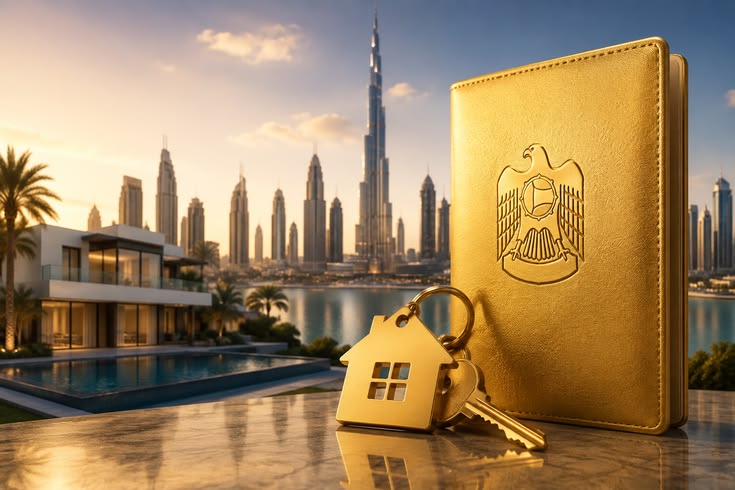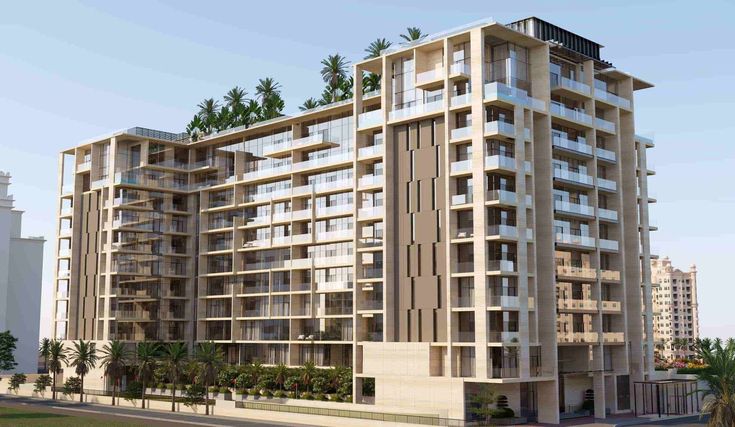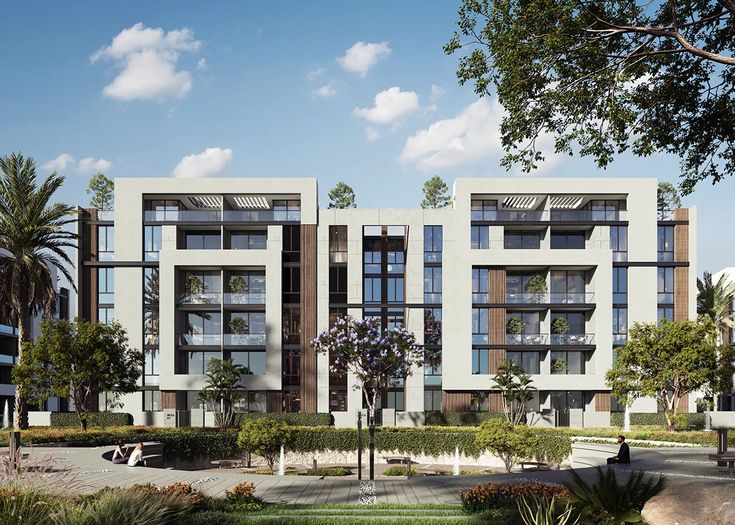
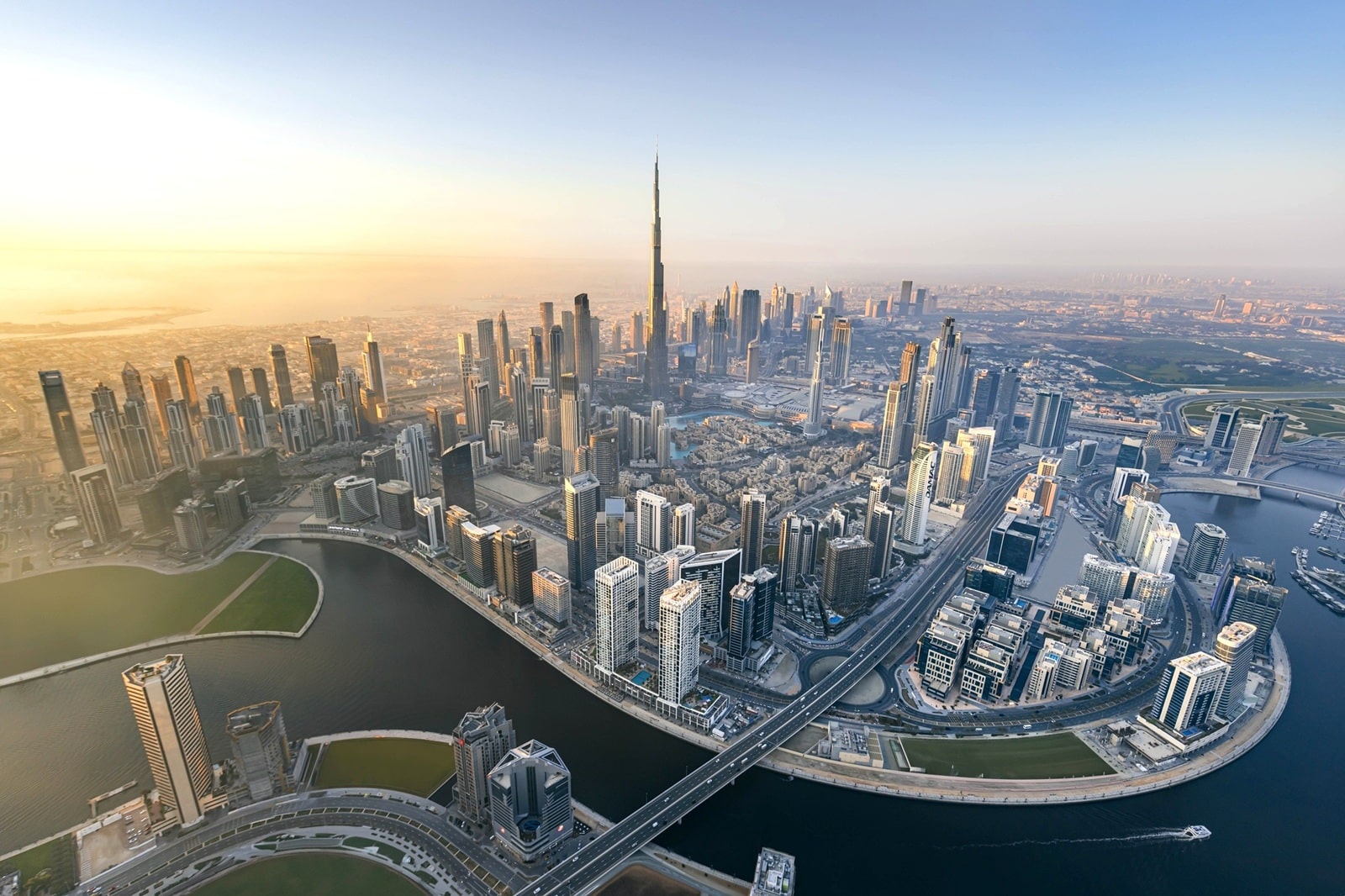
Dubai’s property market is increasingly shaped by communities that are still being built. For international investors and homebuyers, off plan real estate Dubai offers access to modern residential designs, phased payments, and emerging locations connected to the emirate’s long-term development strategy. Yet a promising launch is not automatically a profitable investment. Buyers must evaluate location fundamentals, developer credibility, contract terms, construction progress, and realistic rental demand before committing.
As Dubai expands its transport networks, commercial districts, and lifestyle destinations, off-plan developments offer a way to participate in that transformation. Understanding how the market operates is essential to making an informed decision.
What Is Off Plan Real Estate in Dubai?
Off-plan property is real estate purchased before construction is complete, sometimes at the initial launch stage. Buyers generally select an apartment, townhouse, villa, or penthouse from approved plans and pay according to agreed milestones. Ownership and payment obligations are documented in a Sale and Purchase Agreement (SPA), with the initial sale registered through the Dubai Land Department’s Oqood system.
Unlike ready homes, these properties cannot normally generate rent immediately. The investment case depends on delivery, eventual occupancy, future demand, and the buyer’s financial capacity throughout construction.
Why Off Plan Properties Dubai Attract Investors
Off Plan Properties Dubai appeal to different kinds of purchasers: residents planning a future move, investors seeking rental income after completion, and international buyers diversifying their property holdings. Their principal attractions include:
- Phased instalments: Payments may be linked to construction stages or agreed dates, reducing the need to pay the full purchase amount immediately.
- Newer specifications: Contemporary layouts, energy-conscious features, smart-home options, and community amenities can enhance everyday appeal.
- Choice at launch: Early buyers may have broader access to floor plans, views, and unit positions.
- Longer planning horizon: Construction periods give buyers time to prepare for eventual occupation or leasing.
These benefits must be weighed against delivery delays, financing constraints, service charges, and possible market fluctuations. Early entry alone does not guarantee appreciation.
Understanding Dubai’s Off-Plan Market Momentum
Dubai’s new-build market is substantial, but investment decisions should be based on evidence rather than launch advertising. CBRE’s review of 2025 recorded approximately 148,391 off-plan residential transactions, representing around 72% of residential sales activity that year. This illustrates the importance of the segment while also highlighting the need to examine future supply alongside demand.
Investors should compare registered transactions, achieved rents, completed-project prices, and upcoming handovers within the same district. Broad citywide averages are less useful than comparable buildings with similar specifications, accessibility, and tenant profiles.
Dubai Off Plan Apartments, Villas, and Townhouses
Dubai Off Plan Apartments suit a wide variety of buyers, from professionals seeking compact homes to families prioritising multiple bedrooms. Studios and one-bedroom units can appeal to tenants near employment centres, while larger apartments may attract established households. Rental performance depends on actual local supply and cost of ownership.
Townhouses commonly offer additional indoor space, gardens, and family-oriented surroundings. Villas may provide privacy, larger plots, and access to premium master-planned neighbourhoods. Penthouses and branded residences serve a more specialised luxury audience, where scarcity, management standards, and service costs deserve close attention.
The right format depends on whether the objective is personal use, rental income, long-term capital growth, or eventual resale.
Best Areas to Explore New Launch Properties Dubai
Dubai South offers a long-range development story linked to Expo City Dubai and the expansion of Al Maktoum International Airport. Dubai Airports envisages eventual capacity of 260 million passengers annually, but infrastructure timelines and property outcomes should be assessed separately.
Dubai Creek Harbour attracts buyers interested in waterfront residential communities and proximity to established central districts. Dubai Hills Estate combines parks, retail, schools, and golf-oriented surroundings with apartments and family housing.
Jumeirah Village Circle (JVC) is relevant for buyers comparing apartment supply and established leasing activity. Business Bay appeals to those prioritising central workplaces, mixed-use towers, and canal-side living.
Dubai Islands, Dubai Maritime City, and Palm Jebel Ali introduce coastal and waterfront opportunities with different construction schedules and property formats. Mohammed Bin Rashid City, Arjan, Dubailand, and Dubai Silicon Oasis add alternatives ranging from premium communities to evolving residential neighbourhoods.
Each location requires neighbourhood-level research: nearby employment, transport access, schools, competing developments, and completed rental comparables matter more than promotional labels.
Leading Developers and the Importance of Delivery Records
Developer selection is central to off-plan due diligence. Established names such as Emaar Properties, DAMAC Properties, Sobha Realty, Nakheel, and Ellington Properties are associated with different residential styles and master-planned projects. Binghatti, Danube Properties, Azizi Developments, Imtiaz Developments, Samana Developers, and Object 1 also contribute to Dubai’s varied development pipeline.
Rather than treating brand recognition as a guarantee, examine completed buildings, construction quality, defect resolution, handover history, and post-completion management. Evaluate the specific project and its approvals, not just the company’s marketing reputation.
Off Plan Property Investment Dubai: Payments and Returns
An effective Off Plan Property Investment Dubai strategy begins with cash-flow planning. Developers may advertise 50/50, 60/40, or 70/30 structures, describing how payments are divided between construction and handover. Some projects offer post-handover instalments, but conditions vary and must be checked in the SPA.
Budget beyond the advertised price for applicable registration charges, mortgage expenses, service charges, furnishing, and property management. Determine whether future instalments are affordable even if resale or financing takes longer than expected.
For income-focused buyers, distinguish gross rental yield from net yield, which accounts for ownership and operating expenses. Capital appreciation is only realised when a property sells at a gain after transaction costs; projected returns are not guaranteed.
Legal Safeguards: DLD, RERA, Oqood, and Escrow
The Dubai Land Department (DLD) manages property registration, while the Real Estate Regulatory Agency (RERA) oversees regulatory aspects of the market. Off-plan developers must meet project registration requirements, including the establishment of a project escrow account for buyer payments. Escrow controls regulate the use of project funds; they do not eliminate construction or market risk.
Oqood records the initial sale in the provisional property register. Buyers should obtain their SPA, confirm registration details, and verify the official project name and payment instructions. The DLD’s Project Status service and Dubai REST tools can support checks on development progress.
Foreign nationals, including non-residents, may acquire freehold ownership in Dubai’s designated freehold areas. Eligibility, property classification, and any applicable mortgage or residency rules should be independently checked before purchase.
How to Buy Off Plan Property Dubai: A Practical Checklist
Before paying a reservation deposit, work through these steps:
- Define your objective: Decide whether the priority is living in the home, earning rent, or a longer-term resale.
- Shortlist locations: Compare infrastructure, demand, completed properties, and anticipated new supply.
- Verify the project: Check developer authorisation, registration, escrow arrangements, and construction status.
- Study the unit: Review floor plans, usable area, orientation, parking, and amenities.
- Read the SPA: Examine instalments, handover provisions, potential delays, resale restrictions, and dispute processes.
- Plan the exit: Model conservative rental income, financing needs, and potential selling costs.
Use a properly licensed real estate professional and qualified legal adviser when interpreting contractual obligations.
Future Outlook: The Dubai 2040 Connection
Dubai’s 2040 Urban Master Plan prioritises connected communities, efficient land use, walkability, and expanded green and recreational spaces. These aims provide a strategic lens for assessing residential projects, especially those integrated with employment centres, public transport, and essential services.
The strongest future-oriented developments may not simply be those with striking architecture. They may be communities where residents can reach work, education, healthcare, retail, and recreation with less friction. Digital building systems, responsible energy use, and adaptable living spaces could also influence competitiveness over time.
However, a proposed road, station, or community facility should never be treated as completed infrastructure. Check official plans, delivery stages, and the distance from the actual property.
Conclusion
Off plan real estate Dubai offers a range of pathways into one of the region’s most actively developing residential markets. From Dubai Off Plan Apartments to waterfront villas and family townhouses, the opportunity lies in matching property selection to verifiable demand, credible delivery, and realistic financial assumptions.
For buyers seeking New Launch Properties Dubai, informed comparison is more valuable than urgency. Verify the project, understand every payment obligation, and evaluate the surrounding community’s long-term fundamentals. In a city planning decades ahead, disciplined research remains the foundation of a confident property decision.