
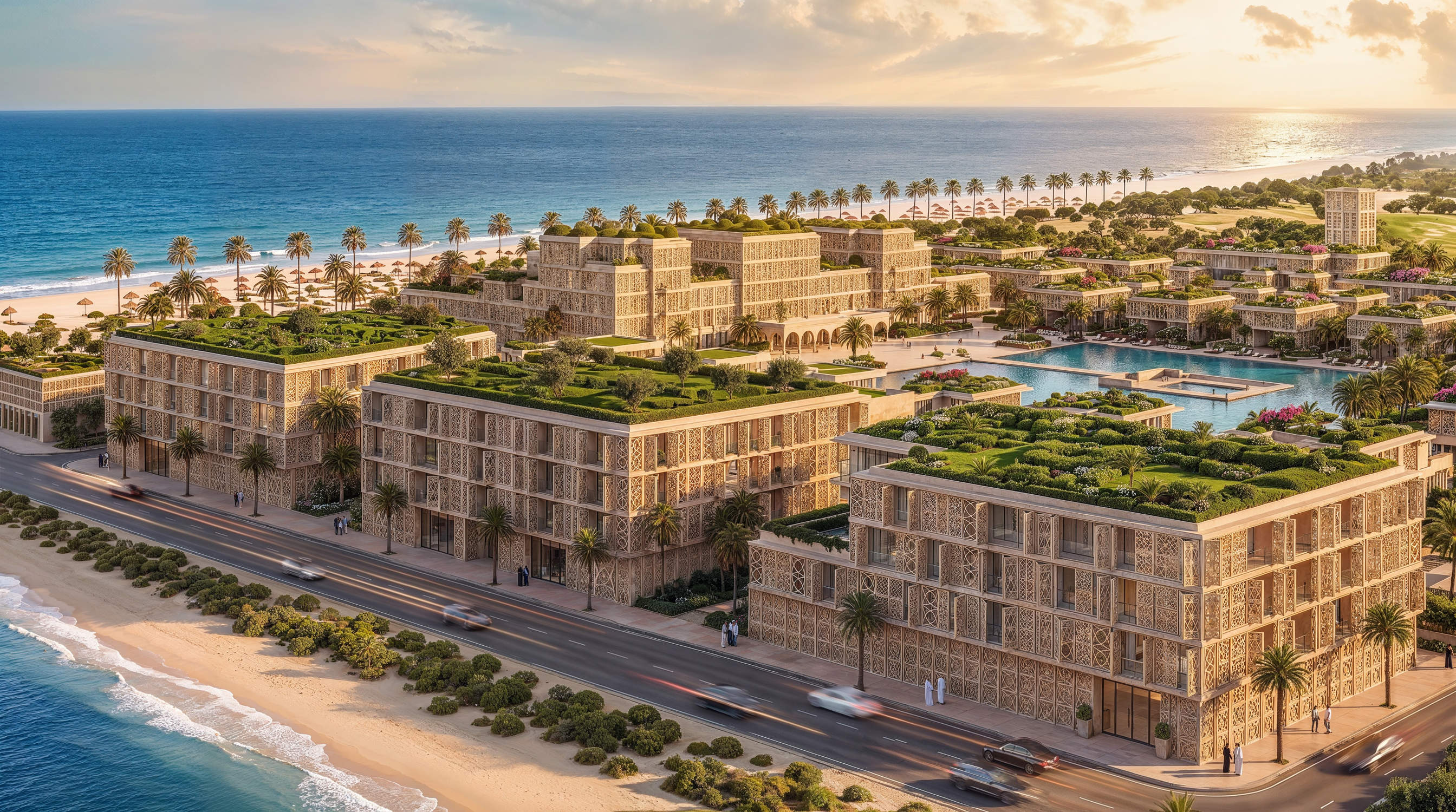
Dubai’s property landscape continues to evolve through ambitious master communities, advanced infrastructure and architecture designed for the future. For buyers looking beyond completed homes, off plan projects Dubai provide access to newly launched residences before construction is finished. The market includes contemporary apartments, waterfront penthouses, family townhouses, private villas and branded residences across established and emerging locations.
Buying off-plan involves more than selecting a property from a brochure. A responsible decision requires an understanding of the developer, location, floor plan, payment structure, construction schedule, legal framework and likely demand after handover. The strongest opportunities are generally those where these elements support one another. A well-positioned project by a capable developer can offer lifestyle value to an end user while presenting rental and resale potential to an investor.
What Are Off-Plan Projects in Dubai?
An off-plan property is purchased directly from a developer before construction is complete. Buyers may reserve a residence at launch, during early construction or closer to handover. The unit is normally selected using approved floor plans, specifications, master-plan information and contractual documents.
The category extends far beyond conventional towers. New off-plan projects in Dubai may include studios, multi-bedroom apartments, duplexes, penthouses, townhouses, garden villas, mansions and branded residences. Mixed-use developments can also incorporate retail, hospitality, leisure and commercial spaces, helping to establish an integrated destination rather than an isolated building.
Every development has its own combination of attributes. These include the project name, developer, community, property type, bedrooms, unit size, view, payment plan, construction status and expected handover. Buyers should consider this complete package rather than making a decision based on one promotional feature.
Why Dubai Continues to Attract Off-Plan Buyers
Dubai combines international connectivity, modern infrastructure and a diverse freehold property market. It offers established central districts, waterfront destinations, golf communities, family neighbourhoods and developing areas planned around transport and employment hubs. This variety allows buyers to select property according to lifestyle, budget, investment horizon and risk tolerance.
Off-plan development also enables builders to respond to changing expectations. New communities increasingly emphasise efficient layouts, smart-home systems, wellness amenities, landscaped areas and convenient access to daily services. As competition grows, construction quality, practical design and resident experience are becoming more important points of differentiation.
Where the Next Generation of Development Is Emerging
The future of off plan projects Dubai is not concentrated in one district. Growth is taking place across waterfront corridors, established urban centres and master-planned communities. Each area serves a different type of buyer.
Dubai Creek Harbour and Dubai Islands reflect the continuing appeal of waterfront development. These destinations combine residences with promenades, hospitality, retail and leisure elements. Palm Jebel Ali forms part of Dubai’s expanding premium coastal landscape, while Palm Jumeirah remains an internationally recognised luxury location.
Dubai South, Emaar South and Expo City Dubai represent another significant direction. Their long-term relevance is connected to transport, aviation, logistics, exhibitions, employment and smart-city planning. Buyers considering upcoming property developments in Dubai should examine how proposed infrastructure connects with genuine economic activity and population growth.
Property Types Available to Buyers
Apartments form a major part of the market. Off-plan apartments for sale in Dubai range from efficient studios to large family residences and premium penthouses. Buyers should examine internal area, layout efficiency, storage, balcony size, floor level, orientation, privacy and parking. A well-designed smaller unit can sometimes be more practical than a larger home with poorly used space.
Villas and townhouses appeal to buyers seeking privacy, outdoor areas and community living. Important attributes include plot size, built-up area, bedroom placement, maid’s room, garden dimensions and parking. Buyers should also establish whether the property is detached, semi-detached or part of a townhouse row.
How to Identify the Best Off-Plan Properties in Dubai
The best off-plan properties in Dubai are not defined by appearance alone. A strong development demonstrates alignment between developer capability, location, product, payment plan and delivery expectations.
Developer reputation is the first major consideration. Buyers should review completed projects, delivery history, construction standards, financial capability and after-sales service. Previous developments provide useful evidence of finishing quality, maintenance and the resident experience after handover.
Location analysis should consider both present conditions and planned improvements. Road access, public transport, schools, healthcare, shopping, business districts and leisure attractions influence demand. Future infrastructure may improve accessibility, but buyers should distinguish confirmed plans from early concepts.
The individual unit also deserves detailed evaluation. Natural light, usable balconies, privacy, storage, views and parking can affect everyday living and rental appeal. Buyers should compare approved floor plans rather than relying only on computer-generated images.
Payment Plans, Construction Status and Handover
Payment plans are among the most visible attributes of Dubai’s off-plan market. A structure may include a booking amount, instalments during construction, a handover payment and, in some cases, post-handover instalments. Flexibility can help with cash-flow planning, but it does not automatically make a project a superior purchase.
Buyers should calculate the complete financial commitment and record when every instalment becomes due. They should identify whether payments are linked to construction milestones or fixed dates. Registration charges, administrative costs, financing expenses and future service charges should also be included when assessing affordability.
Expected handover should be treated as a planning date rather than an unconditional guarantee. The Sales and Purchase Agreement should explain completion provisions, payment obligations, notice procedures and contractual remedies. Regular construction updates allow buyers to monitor progress throughout the development period.
Dubai Off-Plan Projects for Investment
The appeal of Dubai off-plan projects for investment generally centres on possible rental income after completion and potential capital appreciation. Neither outcome is guaranteed, and both depend on market conditions.
Rental demand is influenced by the tenant profile, location, unit type, building quality, amenities and competing supply. A studio near employment and transport serves a different market from a family townhouse close to schools and parks. Investors should identify the likely tenant before choosing the unit.
Service charges also affect net returns. Resale or assignment rules require attention, particularly if the strategy involves selling before handover. Some developers require a specified portion of the purchase price to be paid before approving a transfer.
A realistic comparison should include acquisition costs, payment timing, expected rent, vacancy, management, maintenance, service charges and resale liquidity. This provides a more useful view than a headline return percentage.
Regulation and Buyer Protection
Dubai’s off-plan market operates within a regulatory framework involving the Dubai Land Department and the Real Estate Regulatory Agency. Project registration, regulated escrow arrangements and transaction documentation form important parts of the buyer-protection environment.
The Sales and Purchase Agreement is one of the central documents. It establishes the selected unit, specifications, payment obligations, completion provisions and contractual rights. Oqood registration records the initial off-plan transaction before the completed property becomes eligible for final title documentation.
Buyers should verify the project and developer through appropriate official channels, read all documents carefully and seek qualified legal advice when required. They should confirm what is included with the residence, how material changes are managed and which charges apply. Marketing introduces a development, but the signed contract governs the purchase.
Foreign buyers should confirm that the property is within an eligible freehold area and understand the documentation needed for local or remote completion. Mortgage availability can vary according to the buyer, bank, developer and stage of construction.
Amenities, Sustainability and Smart Living
Modern amenities now extend beyond a basic swimming pool and gym. Many developments incorporate landscaped gardens, children’s areas, sports courts, jogging paths, co-working lounges, social spaces and concierge services. Their real value depends on resident use and their effect on annual service charges.
Sustainability is also becoming more relevant. Energy-efficient systems, water management, shaded outdoor spaces, smart controls and pedestrian-friendly planning can reduce environmental impact while improving comfort. Technology should support convenience, efficiency and security rather than serving only as a promotional feature.
A Practical Project-Selection Process
Buyers can create a stronger shortlist by following a structured process:
- Define whether the property is for personal use, rental income or long-term growth.
- Establish a complete budget covering instalments, fees and ownership costs.
- Select locations based on connectivity, infrastructure and user demand.
- Compare developers using delivery records and completed projects.
- Review floor plans, sizes, views, parking and practical features.
- Examine the payment plan, construction status and handover schedule.
- Verify project registration and review the Sales and Purchase Agreement.
- Assess competing supply, service charges and resale conditions.
This approach allows different developments to be compared consistently rather than through isolated marketing claims.
FAQs
1. Are off-plan properties suitable for first-time buyers?
They can be suitable when the buyer understands the payment schedule, construction timeline and contractual responsibilities. First-time purchasers should verify the project, assess the developer and maintain sufficient funds for every instalment.
2. Can international investors buy off-plan property in Dubai?
Eligible international investors can purchase in designated freehold areas. Many transactions can begin remotely, although documentation, payment and ownership requirements must be confirmed for the chosen project.
3. Which property type is best for investment?
There is no universal answer. Apartments may suit urban tenant demand, while villas and townhouses can appeal to families seeking space. The correct choice depends on location, supply, target tenant and holding period.
4. How important is the developer’s reputation?
The developer’s reputation is a critical part of an off-plan purchase. Buyers should examine completed projects, construction quality, delivery performance, customer service and the condition of previously handed-over communities.
5. What documents are involved in an off-plan purchase?
Important documents may include the reservation form, Sales and Purchase Agreement, payment schedule and Oqood registration. Buyers should review every document carefully and confirm the transaction through the appropriate official channels.
Conclusion
Off plan projects Dubai provide a broad choice of future homes and investment properties across waterfront districts, urban neighbourhoods and expanding master communities. Their appeal comes from modern design, phased payments, new infrastructure and access to a diverse real estate market.
Successful selection requires more than choosing an attractive project. Buyers should connect the developer, location, property type, floor plan, payment schedule, construction status, handover, legal registration and likely user demand. When these entities and attributes align, an off-plan purchase can become a considered part of a broader lifestyle or investment strategy.
As Dubai moves towards smarter, better-connected and more sustainable development, informed buyers will be positioned to recognise properties with lasting relevance. Careful research, realistic financial planning and professional due diligence remain the foundation of every responsible off-plan decision.