Dubailand Investment Opportunities are attracting attention from buyers who want more than a property in a familiar Dubai address. Its established and developing neighbourhoods offer apartments, townhouses and villas for different investment horizons. Its appeal combines community living and road connectivity, not guaranteed returns.
For investors evaluating Dubailand real estate investment opportunities, the essential question is not simply where prices may rise. It is which location, property type and ownership structure can deliver sustainable rental demand, manageable costs and a realistic exit strategy.
Why Dubailand Deserves Investor Attention
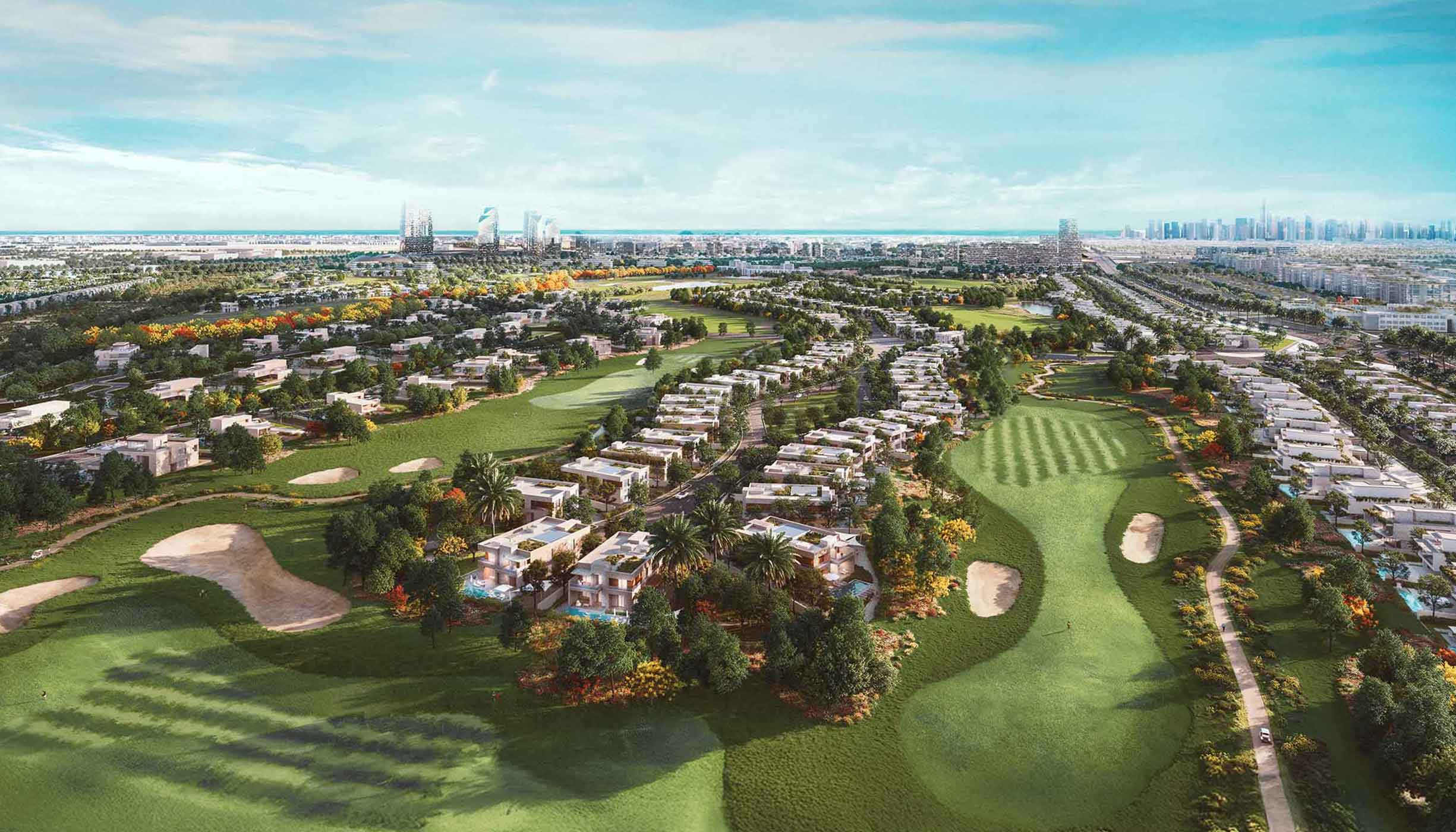
Dubailand covers a broad collection of communities with distinct characteristics. Apartment-led neighbourhoods can appeal to professionals and smaller households, while villa and townhouse developments serve families seeking outdoor space and community facilities. Access to Sheikh Mohammed Bin Zayed Road, Dubai–Al Ain Road and other major routes supports connections to employment, education and leisure destinations.
Parks, swimming pools, supermarkets and schools influence long-term tenant appeal. However, investors should assess the facilities already operating, not assume every advertised feature will be delivered immediately. Demand and future supply matter more than marketing.
Best Areas to Invest in Dubailand
Choosing among the best areas to invest in Dubailand requires a community-level comparison. Each neighbourhood supports a different tenant profile and investment approach.
Dubai Land Residence Complex (DLRC)
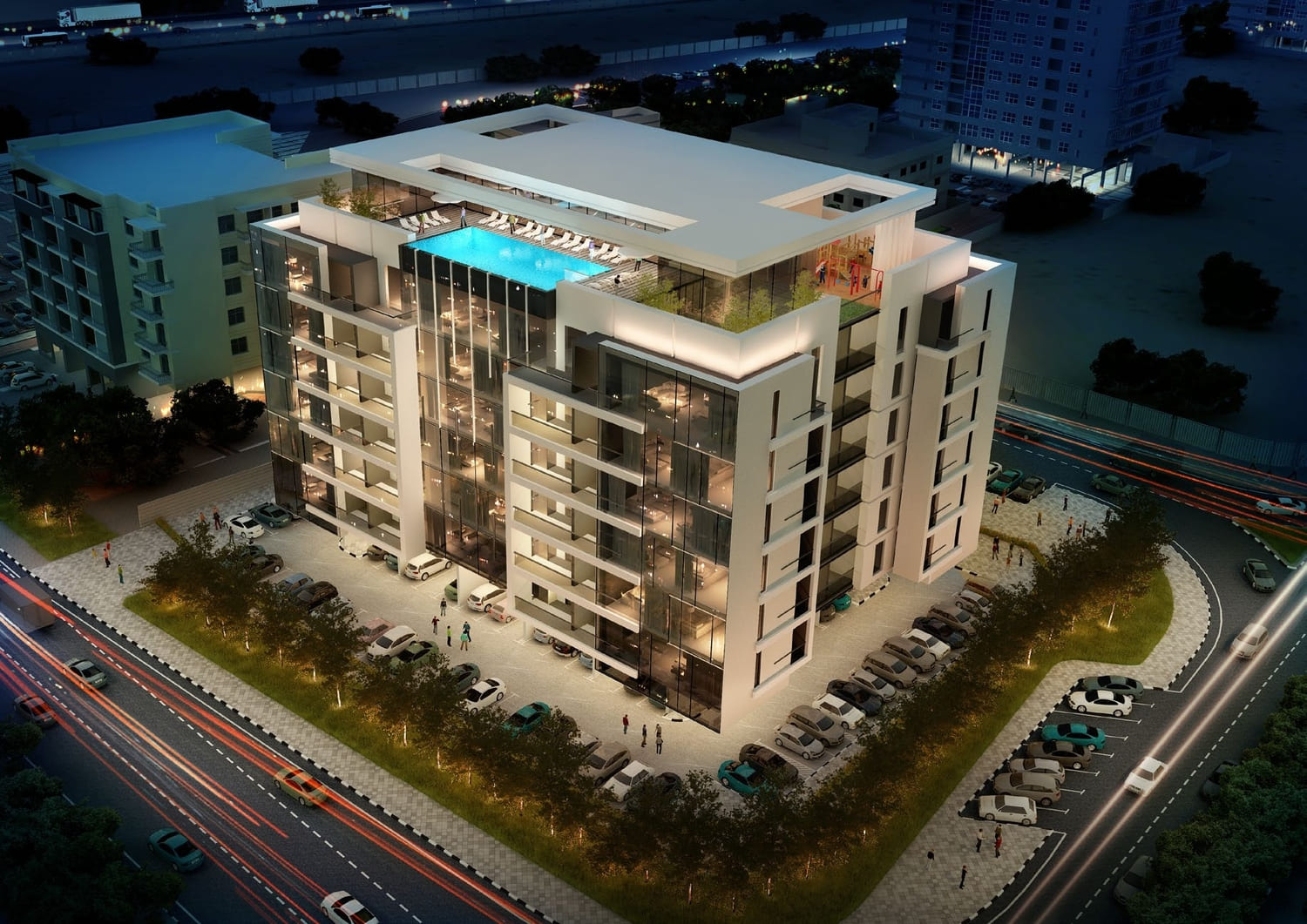
Located in Wadi Al Safa 5, DLRC combines completed apartment buildings with new residential projects. Studios and one- or two-bedroom apartments may suit investors targeting professionals, couples and smaller families. Its road connections towards Dubai Silicon Oasis and Academic City provide a useful basis for assessing commuter demand. Compare actual rental contracts, unit layouts and annual building service charges before choosing an apartment.
Majan
Majan is a mixed-use neighbourhood offering contemporary apartments alongside emerging retail and lifestyle infrastructure. Its position near Sheikh Mohammed Bin Zayed Road and IMG Worlds of Adventure adds accessibility and leisure appeal. Assess how quickly services and occupancy mature. Buyers should compare completed buildings with upcoming supply to understand potential competition for tenants.
Liwan
Liwan offers apartment-focused opportunities close to Dubai Silicon Oasis and the Dubai–Al Ain Road corridor. It can appeal to residents who value practical connections to employment and educational areas without choosing a dense central district. Check maintenance, parking and comparable rentals. An attractive advertised rent does not necessarily translate into a strong net return.
Villanova
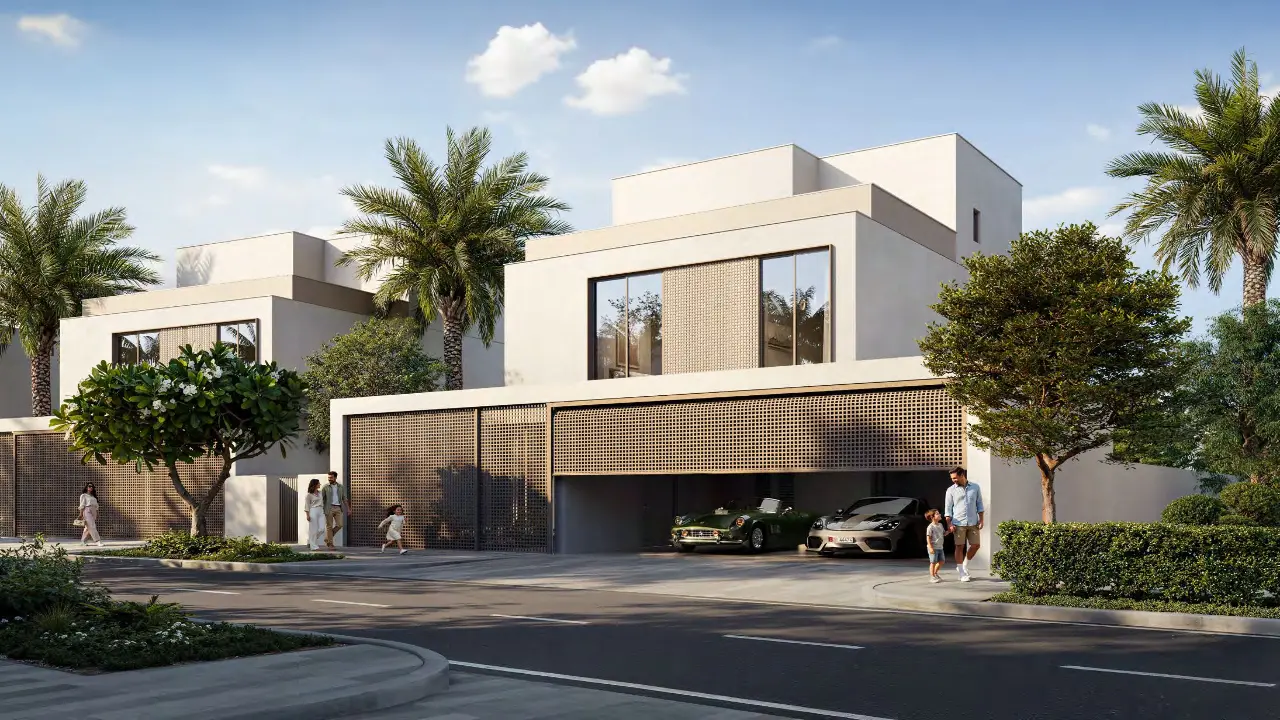
Developed by Dubai Properties, Villanova features family-oriented townhouse and villa communities, including Amaranta, La Rosa and La Violeta. Landscaped areas, play spaces and residential facilities support its appeal to households planning longer tenancies. Investors considering Villanova should examine bedroom configurations, outdoor space, property upkeep and comparable resale activity. Larger homes also create different maintenance commitments.
Rukan
Rukan provides another option for buyers interested in low-rise townhouse and villa-style living within the Wadi Al Safa area. Its residential character and outdoor spaces may suit tenants prioritising privacy and a quieter environment. Verify completion, management and access to amenities for each property.
Choosing Apartments, Townhouses or Villas
The right property type depends on the investment objective. Apartments can offer access to a wider pool of individual tenants and may be easier to manage remotely. Townhouses attract households looking for additional bedrooms, outdoor areas and a community lifestyle. Villas may suit longer-term family accommodation but require careful budgeting for upkeep and periods without tenants.
Instead of assuming one category performs best, compare purchase costs, expected occupancy, maintenance obligations and resale demand using similar properties in the same location. Layout, parking and management also matter.
Off-Plan Properties for Sale in Dubailand
Off-plan properties for sale in Dubailand allow investors to consider developments before completion, often through staged payment arrangements. New projects may offer contemporary layouts, energy-conscious features and smart-home systems that reflect changing resident expectations. These attributes can improve usability, but their value depends on final specifications and tenant willingness to pay.
Before signing, review the developer's delivery record, project registration, escrow arrangements, construction progress and contractual handover provisions. Compare the expected finished property with ready homes already available nearby. Payment flexibility must fit available cash flow.
Dubailand Property Investment and Rental Yields
Dubailand property investment and rental yields should be evaluated at the individual-building level, not through a single headline percentage. Gross rental yield divides annual rent by the property purchase price and multiplies the result by 100. Net yield also accounts for relevant operating costs and the full acquisition outlay.
For example, a hypothetical property bought for AED 900,000 and rented for AED 63,000 annually produces a 7% gross yield before expenses. That is a calculation example, not a current Dubailand market average. Service charges, maintenance, management fees and vacancy can materially reduce the amount retained by the owner.
Buyers searching for high ROI properties in Dubailand Dubai should also study recent sale prices, real rental transactions, comparable vacancies and likely resale costs. Dubai Land Department data and its Service Charge Index can provide useful checks. Reliable assumptions matter more than headline returns. Even neighbouring buildings can perform differently because fees and tenant expectations vary significantly.
What Will Shape Dubailand's Investment Future?
Long-term performance will depend on how residential supply, employment access and community infrastructure develop together. Mature areas with operating amenities may offer greater visibility into rental behaviour. Growing districts may present opportunities as facilities expand, but additional construction can also increase competition.
Future-ready homes could become more attractive when they combine efficient cooling, useful technology, durable finishes and walkable facilities. Verify sustainability claims and proposed infrastructure before forecasting growth. Strong investment decisions remain grounded in current evidence and realistic scenarios.
How to Evaluate a Dubailand Property Before Buying
A disciplined review begins with the investor's intended holding period and rental strategy. Compare like-for-like sale and rental transactions, inspect the unit or approved plans, check service charges and estimate periods without a tenant. For off-plan purchases, verify developer credentials and project progress through official channels. For completed homes, review maintenance records, occupancy and the practical condition of shared amenities.
Foreign buyers may purchase within designated freehold areas, but eligibility should be confirmed for the specific property. Account for registration fees, financing expenses and potential resale costs before projecting returns. Independent advice can clarify transaction obligations.
Frequently Asked Questions
1. Is Dubailand a good place for property investment?
Dubailand offers several investment approaches, from apartments targeting rental income to family townhouses held for longer periods. Suitability depends on property-level evidence, ownership costs and the buyer's financial objectives.
2. Which Dubailand areas are suitable for rental income?
DLRC, Majan and Liwan are useful starting points for apartment investors, while Villanova and Rukan offer townhouse-oriented alternatives. Compare verified transactions before deciding which location meets your return target.
3. Are off-plan or ready properties better in Dubailand?
Ready homes can provide an observable building condition and potential immediate rental income. Off-plan homes may offer staged payments but introduce completion and delivery risks. Neither is universally superior.
4. How can investors identify high-return properties?
Calculate net yield using realistic rent, vacancy, service charges and maintenance. Then assess tenant demand, comparable sales and resale liquidity rather than relying exclusively on developer projections.
5. Can international buyers own property in Dubailand?
International buyers can purchase eligible properties in designated freehold developments. Ownership status, registration requirements and project details should be verified with the Dubai Land Department before committing funds.
Conclusion
Dubailand Investment Opportunities extend beyond choosing a promising postcode. DLRC, Majan and Liwan offer apartment-led strategies, while Villanova and Rukan serve a different family-housing market. Investors who assess genuine rental demand, total ownership costs, development progress and long-term resale potential are better equipped to identify properties aligned with their financial plans. In a changing Dubai market, evidence-led selection is more valuable than ambitious return forecasts.