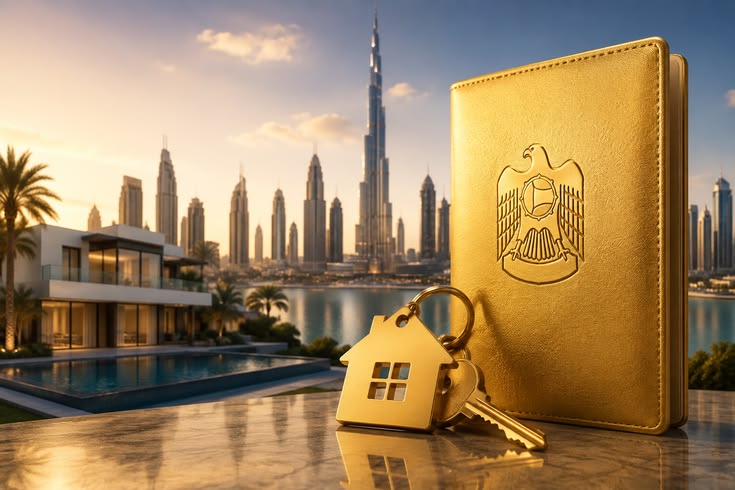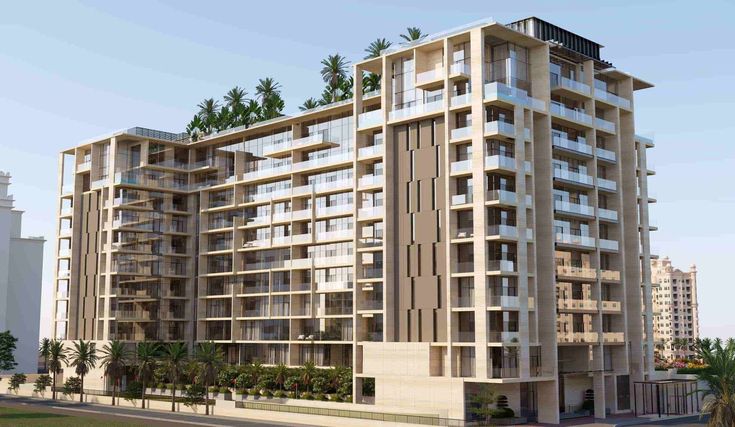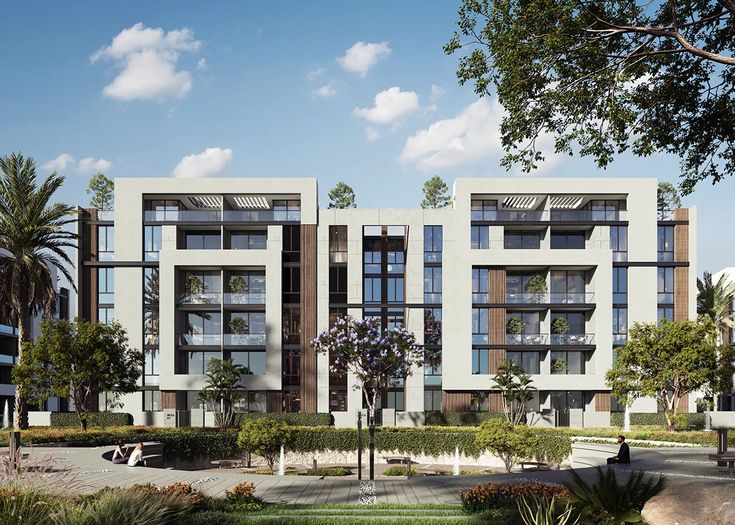
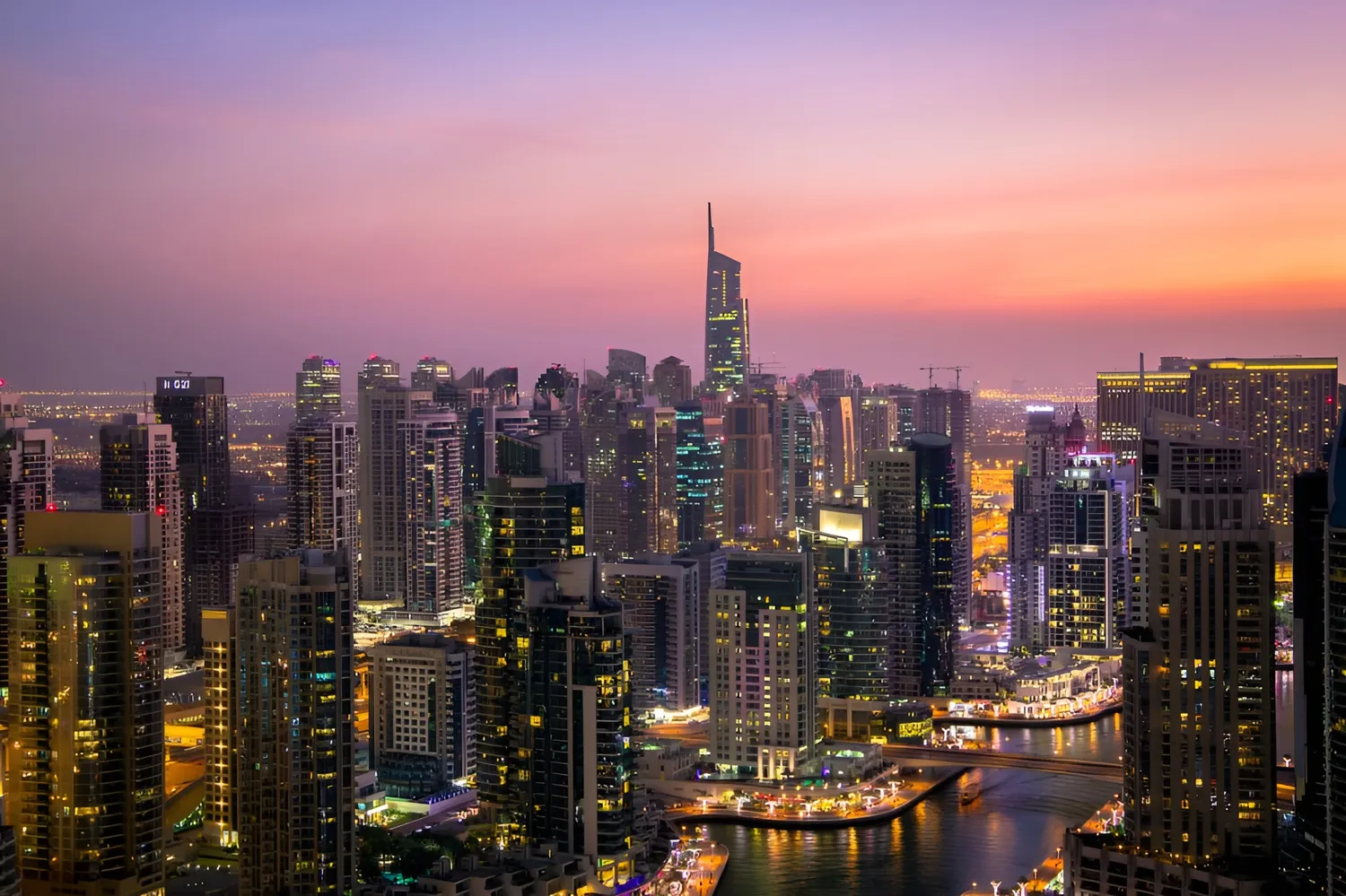
Dubai luxury real estate investment has evolved into a portfolio option for international investors seeking distinctive assets and rental income. From Palm Jumeirah villas to Downtown Dubai residences, investment appeal reflects location, design and infrastructure. Prestige alone cannot guarantee returns. Assess market fundamentals, ownership rules, operating costs and resale demand.
Why Dubai Attracts Luxury Property Investors
Dubai combines connectivity, infrastructure, freehold communities and premium developments. Its business ecosystem attracts entrepreneurs, executives and globally mobile households. Government initiatives also provide useful long-term context: the Dubai Economic Agenda D33 aims to expand the economy, while the Dubai 2040 Urban Master Plan prioritises connected neighbourhoods, green spaces and sustainable mobility.
Market activity illustrates the scale of the wider sector. Official Dubai figures reported more than 270,000 real estate transactions worth over AED 917 billion during 2025. These figures cover the wider market, not luxury alone, and do not predict returns. Community evidence remains essential.
Understanding Luxury Property Investment in Dubai
Luxury Property Investment in Dubai involves more than buying an expensive apartment or villa. Quality is influenced by land scarcity, architectural standards, waterfront access, privacy, construction specifications and professional building management. A residence with exceptional finishes may command a premium, but its value also depends on the availability of comparable alternatives.
Investors seek rental income, appreciation or personal use. These objectives can conflict. A trophy mansion may offer exclusivity but a narrower tenant pool, while a well-located premium apartment could provide broader leasing demand. Define your preferred holding period and exit strategy before comparing projects.
Best Locations for Dubai Luxury Real Estate Investment
Dubai Luxury Real Estate Investment Opportunities span established addresses and emerging coastal districts. Evaluate each community against your income goals, investment horizon and risk tolerance.
Palm Jumeirah: Known for beachfront villas, branded residences and panoramic Gulf views. Examine beach access, service charges and the difference between individual buildings or villa fronds.
Emirates Hills: A market for bespoke mansions, privacy and golf-course surroundings. Comparable transactions can be limited because properties are highly individual.
Dubai Hills Estate: Attracts families seeking luxury villas, green space, schools and access to established urban districts. Compare plots and amenities.
Downtown Dubai and Business Bay: Offer high-rise homes, business connectivity and distinctive skyline or canal views. Assess building quality, traffic patterns and apartment supply.
Dubai Marina and Bluewaters Island: Combine waterfront lifestyles with access to retail, dining and leisure. Rental demand varies by building, layout and view.
Palm Jebel Ali and Dubai Islands: Offer emerging waterfront options; scrutinise construction schedules, infrastructure and competing supply.
Luxury Villas and Apartments for Investment in Dubai
Luxury Villas and Apartments for Investment in Dubai serve different financial and lifestyle priorities. Villas often provide land exposure, larger layouts, private gardens and pools, especially in established gated communities. Apartments can offer managed facilities, concierge services and access to prime urban addresses.
Penthouses occupy another segment, combining generous floor plans with terraces and landmark views. Branded residences may provide hospitality-linked amenities and recognisable design, although brand premiums and recurring fees require careful examination.
Buyers should compare usable floor area, plot size, parking, privacy, maintenance requirements and ownership costs rather than relying on promotional imagery. Premium finishes cannot compensate for impractical layouts or expensive upkeep.
Off-Plan Versus Ready Luxury Properties
Off-plan projects offer access to new design concepts and scheduled payment plans. Developers such as Emaar, Nakheel, Sobha Realty, Meraas, Omniyat and Ellington contribute to Dubai's varied premium residential landscape. However, developer reputation does not eliminate construction, delivery or market risks.
Review the sale and purchase agreement, payment milestones, project registration and escrow-account details. Confirm what happens if specifications change or completion is delayed. Ready properties, by contrast, can be inspected physically and evaluated against existing rent and resale transactions. They may support earlier occupancy or leasing, though renovation and maintenance expenses can be significant.
Neither option is universally superior. Choose according to liquidity, risk tolerance, delivery and comparable prices.
Calculating Rental Yield and Total Investment Return
Serious investors distinguish marketing projections from achievable financial outcomes. Gross rental yield is annual rental income divided by purchase price, multiplied by 100. Net yield deducts relevant recurring costs and should be assessed against total acquisition expenditure.
For illustration, a property purchased for AED 5 million and rented for AED 300,000 annually has a gross yield of 6%. If annual operating costs total AED 60,000, income after those costs is AED 240,000, equivalent to 4.8% of the purchase price. These figures are hypothetical, not a market average or guaranteed return.
Also consider vacancy, broker fees, financing charges, furniture replacement, insurance and eventual resale costs. Capital appreciation can add value, but prices may decline and exit periods can be unpredictable.
Identifying the Best Luxury Properties to Invest in Dubai
The Best Luxury Properties to Invest in Dubai are those that align with a clear investment thesis, not necessarily the most expensive listings. Prioritise:
- Verified transaction evidence: Compare recent Dubai Land Department sales for similar units and locations.
- Sustainable demand: Study likely residents, competing inventory and realistic rental budgets.
- Distinctive features: Assess waterfront frontage, genuine views, privacy and efficient layouts.
- Developer and building quality: Review delivery history, defects, management and service charges.
- Exit flexibility: Consider the number of potential future buyers and expected selling costs.
For High-End Property Investment Dubai searches, these practical tests are more valuable than broad promises of exceptional returns.
Freehold Ownership, Regulation and Investor Residency
Eligible foreign nationals can own property in Dubai's designated freehold areas. Ownership should be verified through the Dubai Land Department, and buyers should check approved brokers, title documentation and contractual terms. The standard sale-registration fee totals 4% of transaction value under DLD's published fee schedule, with allocation between parties subject to the applicable arrangement; other charges may apply.
Qualified property owners may also explore UAE Golden Visa eligibility. Official guidance identifies a minimum qualifying real estate value of AED 2 million, subject to documentation, financing and immigration requirements. Residency should be treated as a potential additional benefit, not a guaranteed consequence of buying any luxury home.
Use independent legal and financial advice where the transaction structure or international tax position is complex.
The Future of Dubai's Luxury Real Estate Market
The next phase of premium property investment may be influenced by digital services, energy-efficient construction, smart-home technology and changing preferences among international households. Wellness facilities, shaded outdoor spaces, sustainable materials and reliable connectivity could become increasingly important distinctions between competing developments.
Artificial intelligence can improve property search, price comparisons and portfolio monitoring, but automated valuations should not replace inspections or professional judgment. Meanwhile, transport upgrades and new waterfront districts may expand choices without ensuring equal returns across every location.
Investors should monitor the supply pipeline, completed infrastructure, lending conditions and actual transaction prices. A future-ready strategy combines curiosity about innovation with disciplined evidence and realistic assumptions.
Frequently Asked Questions
Is Dubai luxury real estate a good investment in 2026?
It can suit investors seeking premium assets and geographic diversification, but returns vary by location, price, demand and holding period. Evaluate costs and downside scenarios before buying.
Which Dubai areas are popular for luxury property investment?
Palm Jumeirah, Emirates Hills, Dubai Hills Estate, Downtown Dubai and Dubai Marina are established options. Emerging waterfront districts deserve separate risk assessments.
Can international buyers own luxury property in Dubai?
Yes, eligible foreign purchasers can acquire freehold property in designated areas, subject to registration and legal requirements.
Are off-plan luxury homes better than ready properties?
Off-plan homes introduce delivery risk and staged payments; ready properties allow inspection and potentially earlier rental income. Neither is always better.
How should investors compare luxury property returns?
Review net yield, recurring charges, market comparables, likely vacancy, resale liquidity and possible capital losses rather than relying on advertised gross ROI.
Conclusion
Dubai Luxury Real Estate Investment offers access to homes across established neighbourhoods and emerging destinations. Strong decisions come from matching property type and location to a realistic financial objective, verifying ownership and developer information, and measuring net returns rather than lifestyle appeal alone. Whether considering a beachfront villa, a branded residence or a premium apartment, investors should build a strategy around evidence, patience and professional due diligence. The opportunity is compelling, but the most resilient luxury portfolios are designed for changing market conditions, not promised outcomes.