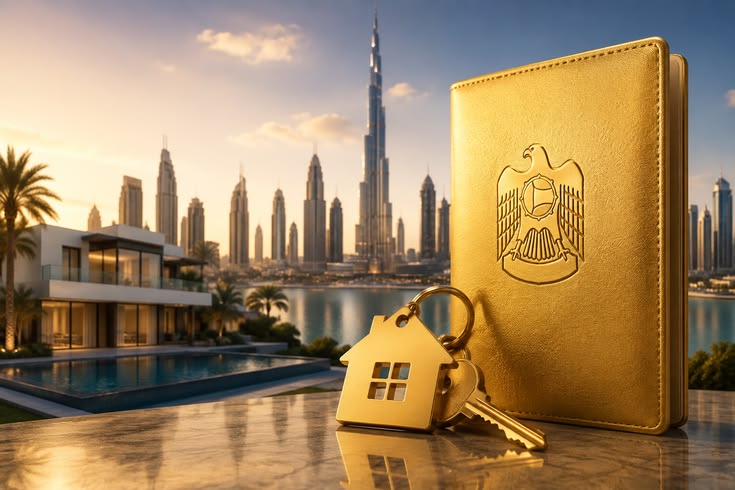
Dubai's waterfront property landscape is evolving, and dubai island real estate investing is attracting attention from buyers seeking coastal living alongside long-term investment opportunities. Located off the Deira coastline, Dubai Islands combines residential neighbourhoods, hospitality, leisure facilities and new infrastructure within a large master-planned destination. It combines Arabian Gulf access with mainland connectivity.
Yet investors must understand developer credentials, ownership rules, timelines and costs. This guide examines the opportunities and risks shaping Dubai Islands Property Investment in 2026.
Understanding the Dubai Islands Master Plan
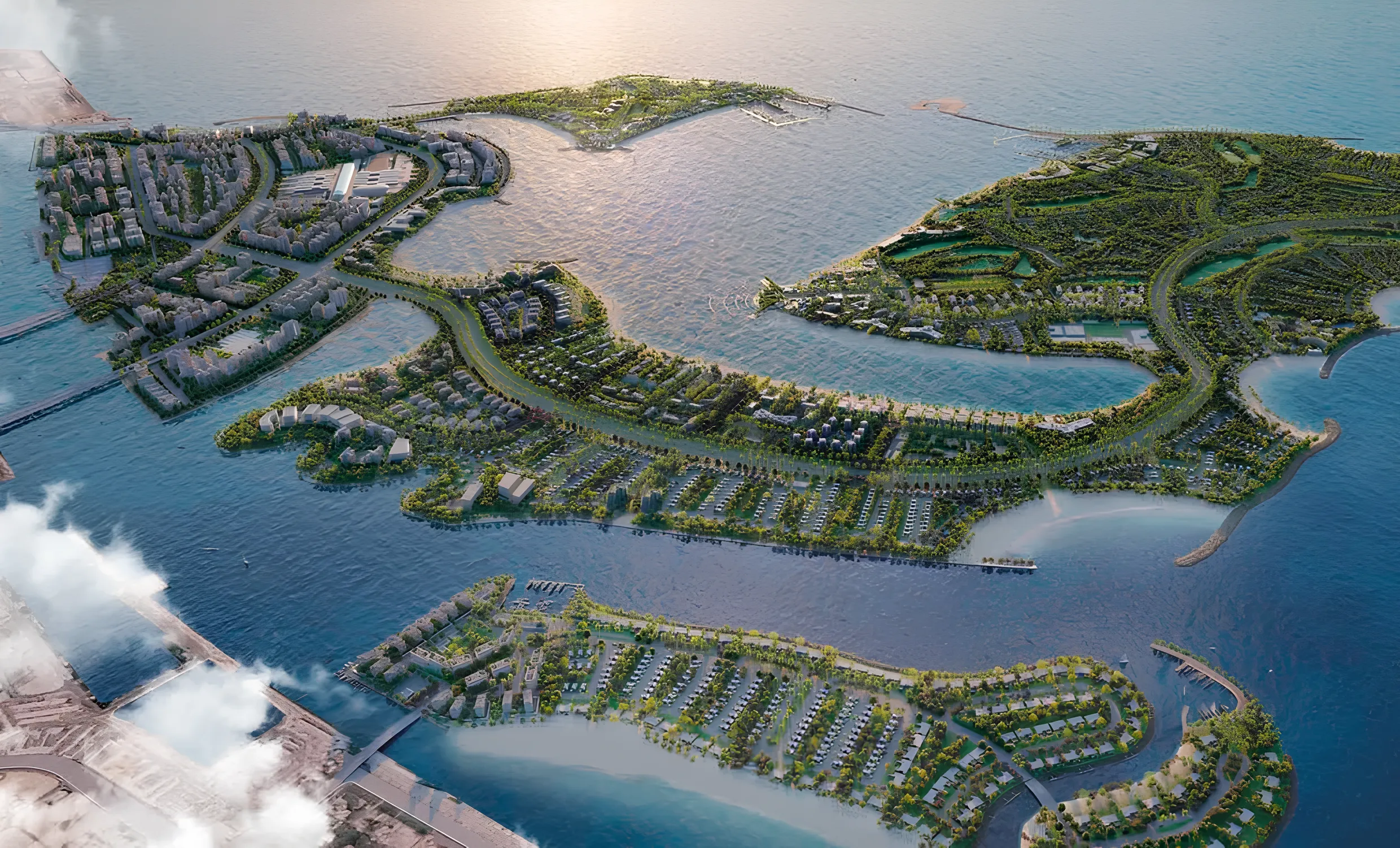
Developed by Nakheel, a member of Dubai Holding Real Estate, Dubai Islands encompasses five islands covering approximately 18.6 square kilometres. Nakheel's October 2026 master-plan figures envisage around 62,000 homes, more than 11,000 hotel keys, eight marinas and 21 kilometres of beachfront. These are planned capacities, not completed or immediately available properties.
The destination is designed around coastal parks, walking routes, residential districts, retail and hospitality. Different neighbourhoods target families and resort-style buyers. For investors, the essential question is not simply whether a project sits within Dubai Islands, but how its individual location, design and delivery timeline fit the wider plan.
Why Investors Are Watching Dubai Islands Real Estate
Several characteristics distinguish Dubai Islands Real Estate within Dubai's evolving residential market:
- Waterfront positioning: Beach access, open views and distinctive coastal settings can influence buyer and tenant preferences.
- Master-planned infrastructure: Roads, utilities, recreation areas and community amenities are being developed in coordinated phases.
- Mixed-use demand: Housing, resorts, restaurants and leisure activities may attract both residents and visitors.
- Range of properties: Apartments, townhouses, villas and select branded residences support different ownership strategies.
- Long-term transformation: New infrastructure may improve accessibility and neighbourhood appeal as construction progresses.
Future demand and appreciation remain uncertain.
Property Types: Matching the Home to the Investment Strategy
Waterfront apartments may appeal to professionals, couples and tenants who prioritise amenities and convenient layouts. Larger apartments and townhouses can suit families seeking more space, while beachfront villas often target buyers who value privacy and private outdoor areas. Penthouses and branded residences occupy a more specialised segment, where service offerings, exclusivity and running costs deserve additional scrutiny.
Investors considering holiday homes should assess licensing requirements, management fees, furnishing expenses and seasonal occupancy rather than assuming tourism demand guarantees rental income. Those seeking predictable long-term cash flow may prefer a property with broad tenant appeal, practical floor plans and manageable service charges. Choose by financial objectives, not views alone.
Residential Developments Worth Understanding
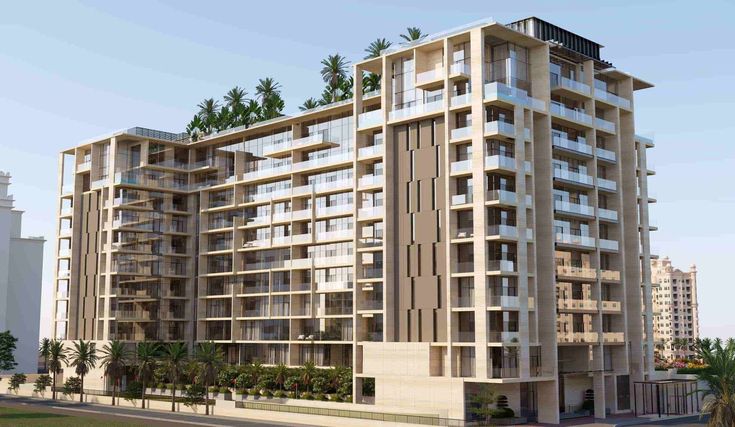
Nakheel's Bay Grove Residences offers one- to four-bedroom homes within a waterfront setting. In September 2026, the developer announced a construction contract exceeding AED 800 million for phases one and three, covering 537 homes, with main works anticipated to finish in late 2028. Timelines remain subject to change.
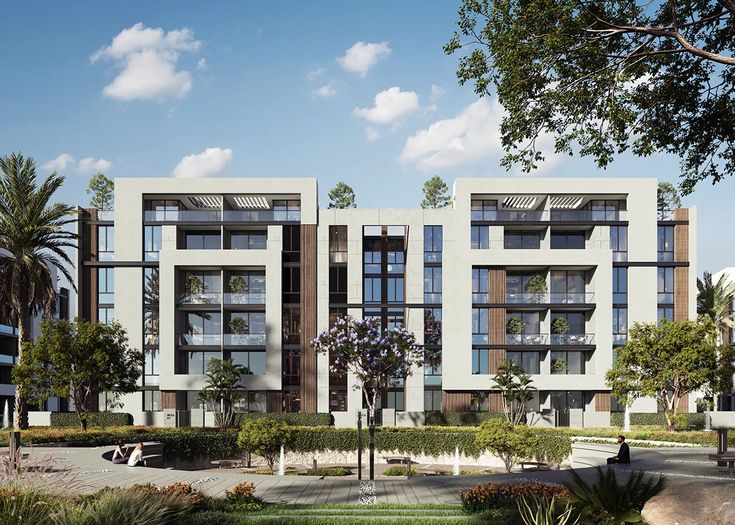
Bay Villas is another Island B community, comprising villas and townhouses. Nakheel announced additional beach and shoreline works in October 2026, including improvements to approximately three kilometres of coastline. Bay Estate, unveiled in the same month, introduces a gated concept with around 360 planned three- and four-bedroom homes, waterfront plots, lagoons and landscaped pedestrian areas.
For each development, compare available inventory, contractual specifications, payment schedules, project registration and construction status before committing. Prioritise approved documents over illustrations.
Rental Yield, ROI and Capital Appreciation: What Matters?
A strong Dubai Islands Property Investment decision begins with measurable assumptions. Gross rental yield is annual rental income divided by the property's acquisition price, multiplied by 100. Net yield gives a more useful picture by considering annual expenses such as service charges, maintenance, management and expected vacancy.
For illustration, a property purchased for AED 2 million and rented for AED 120,000 annually would have a 6% gross yield before expenses. This is hypothetical, not a market forecast.
Capital appreciation is different: it describes how much a property's value changes over time. It can be influenced by project completion, transport access, comparable sales, supply and wider economic conditions. Use Dubai Land Department transactions rather than advertised returns.
Connectivity, Tourism and the Future Waterfront Economy
Dubai Islands connects with the mainland near Deira and the Al Shindagha Corridor. The master plan incorporates marina facilities, coastal leisure spaces and substantial hospitality capacity, positioning the destination for residential and visitor activity. Dubai International Airport and established employment centres are within reach, although journey times vary with traffic.
Infrastructure benefits may be gradual. An investor purchasing during an early construction phase should consider temporary disruption, evolving transport patterns and the time needed for retail, hospitality and public spaces to become operational.
Dubai Islands Compared With Established Waterfront Communities
Palm Jumeirah offers an established luxury address and mature amenities. Dubai Marina provides a dense, active urban waterfront with a substantial rental market, while Dubai Creek Harbour combines apartment living with an evolving master-planned environment.
Dubai Islands differs because a larger portion of its community is still taking shape. That may offer exposure to future development, alongside greater delivery and market-absorption risks. Compare transactions, rents, completion stages and ownership costs across locations.
Freehold Ownership and Buying Safeguards
Eligible international buyers can acquire freehold property in designated Dubai areas, but they should confirm the ownership status of the specific unit or plot. Dubai Land Department (DLD) manages property registration, and off-plan sales are recorded through the relevant provisional registration process, commonly associated with Oqood.
For off-plan purchases, verify that the development is properly registered, review the sale and purchase agreement, and confirm the project-specific escrow account. Dubai's escrow framework is designed to regulate how qualifying off-plan purchaser funds are held and released. Buyers should also budget for registration charges, possible brokerage costs, service charges and financing expenses. Residency eligibility, including any property-linked Golden Visa route, must be checked against current government requirements rather than assumed from an advertisement.
How to Invest in Dubai Islands Property Strategically
Before you Invest in Dubai Islands Property, follow a disciplined process:
- Set a clear objective: Decide whether you prioritise rental cash flow, personal use, diversification or a longer-term resale strategy.
- Research the micro-location: Compare actual beach access, outlook, connectivity, surrounding construction and community amenities.
- Assess the developer: Review previous deliveries, current milestones, project permissions and escrow details.
- Model total costs: Include registration, finance, furnishing, service charges, management, vacancy and eventual selling costs.
- Plan the exit: Consider potential resale demand, competing future supply and how long you can hold the asset if market conditions weaken.
Cross-border buyers should seek independent advice.
Risks That Responsible Investors Should Evaluate
No waterfront location is immune to risk. Construction delays may postpone occupation and rental income. A substantial future supply pipeline could intensify competition among landlords. Interest-rate changes may affect financing affordability, while service charges and maintenance can reduce net returns. Short-term rentals face additional operational and occupancy uncertainty.
Before buying, stress-test your numbers using lower rents, longer vacancies and a slower resale scenario. The master plan is not an investment guarantee.
Frequently Asked Questions
Is Dubai Islands a good investment in 2026?
It may suit buyers comfortable with a developing waterfront destination and a medium- to long-term horizon. Suitability depends on purchase terms, project delivery, rental evidence and risk tolerance.
Can foreigners buy property in Dubai Islands?
Foreign investors can buy eligible properties in designated freehold areas. Confirm the legal status and registration requirements of the particular property before signing.
What affects rental yield in Dubai Islands?
Actual achievable rent, acquisition cost, occupancy, service charges, maintenance and property management expenses all affect returns. Advertised rental yields are not guarantees.
Are off-plan properties better than ready properties?
Off-plan homes may offer staged payments and newer designs but involve construction and delivery risk. Ready homes allow buyers to assess the completed asset and existing rental conditions.
How does Dubai Islands compare with Palm Jumeirah?
Palm Jumeirah is an established luxury community, whereas Dubai Islands is progressing through a broader development cycle. Compare unit quality, current transaction data, costs and your intended holding period.
Conclusion
Dubai island real estate investing offers exposure to a distinctive coastal master plan, expanding residential choices and long-term infrastructure investment. Yet successful investing requires more than confidence in a neighbourhood's future. The strongest decisions balance developer credibility, verified market data, ownership protections, realistic cash-flow calculations and a clear exit strategy. As Dubai Islands develops, investors who distinguish confirmed delivery from future ambition will be better positioned to identify opportunities aligned with their goals.