Dubai has established itself as a major destination for international property investors, offering diverse real estate opportunities, modern infrastructure and a regulated ownership framework. From luxury waterfront apartments to emerging residential communities, Dubai investment properties attract buyers seeking rental income, long-term capital appreciation and portfolio diversification.
The emirate's expanding economy, population growth, global connectivity and ambitious urban development plans continue to influence its real estate market. However, successful property investment requires more than selecting a popular location. Investors must evaluate rental demand, acquisition costs, property quality, market conditions and future development potential.
This guide explores the most important considerations for identifying investment opportunities and making informed purchasing decisions.
Why Dubai Remains an Attractive Property Investment Destination
Dubai's real estate sector benefits from international business activity, extensive transport networks and a broad selection of residential and commercial developments.
According to Dubai Land Department reporting, real estate transactions reached approximately AED 252 billion during the first quarter of 2026, representing a 31% year-on-year increase in transaction value.
Several factors contribute to Dubai's investment appeal:
- Foreign ownership: International buyers can acquire properties in designated freehold areas.
- Rental opportunities: Residential demand creates opportunities for long-term leasing and holiday homes.
- Infrastructure expansion: Transport improvements and master-planned communities support urban development.
- Diverse property choices: Investors can explore apartments, villas, townhouses and commercial units.
- Residency opportunities: Qualifying property investors may apply for long-term UAE residency.
Nevertheless, investors should assess individual property fundamentals rather than assume market-wide growth guarantees profitable returns.
Types of Dubai Investment Properties
Understanding different property categories helps investors align their purchases with financial objectives.
Residential Investment Properties
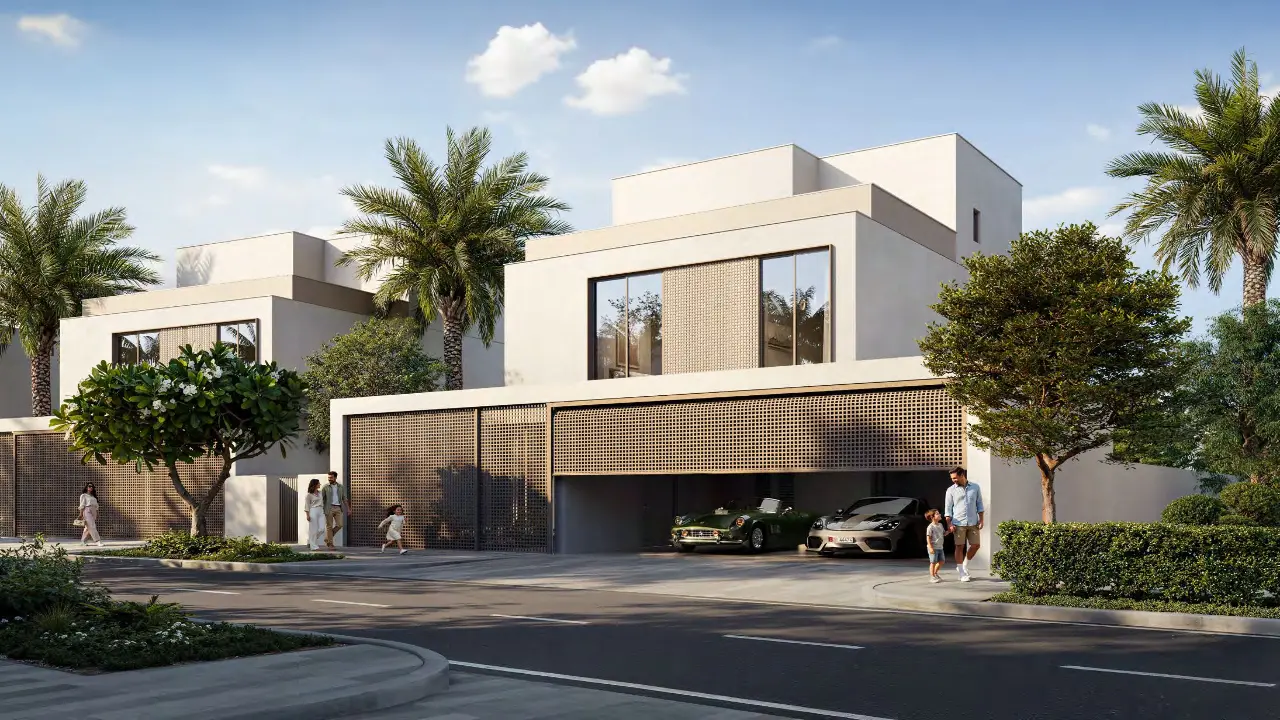
Residential apartments, townhouses and villas serve different tenant demographics. Apartments in established communities may appeal to working professionals, while family-oriented villas attract households seeking larger living spaces and community facilities.
Commercial Investment Properties
Office spaces, retail units and mixed-use developments provide exposure to business activity. Commercial investors should evaluate tenant stability, lease structures, location accessibility and operating expenses.
Luxury and Waterfront Properties
Premium residences in Palm Jumeirah, Dubai Marina and Dubai Creek Harbour offer distinctive lifestyle features. Their investment performance depends on acquisition costs, rental demand, property scarcity and resale liquidity.
Best Investment Properties in Dubai: Locations to Consider
Location remains one of the strongest influences on property demand and investment performance.
Downtown Dubai
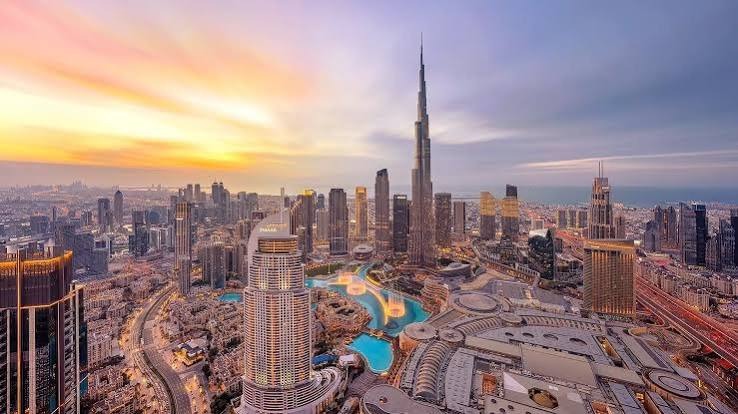
Downtown Dubai attracts buyers seeking premium apartments near Burj Khalifa, Dubai Mall and established commercial districts. Investors should compare acquisition costs with realistic rental expectations.
Dubai Marina
Dubai Marina offers waterfront living, retail facilities, public transport connectivity and an established residential leasing market. Apartment size, building condition and service charges significantly affect investment returns.
Business Bay
Business Bay combines residential towers, commercial offices and access to Downtown Dubai. Its mixed-use environment appeals to professionals seeking convenient urban accommodation.
Jumeirah Village Circle
JVC offers studio apartments, family residences and community amenities. Investors should examine differences in building quality, rental demand and competing apartment supply.
Dubai South
Dubai South represents a longer-term investment consideration because of its planned infrastructure and proximity to Al Maktoum International Airport. Future demand should be assessed alongside construction timelines and upcoming residential supply.
Dubai Hills Estate
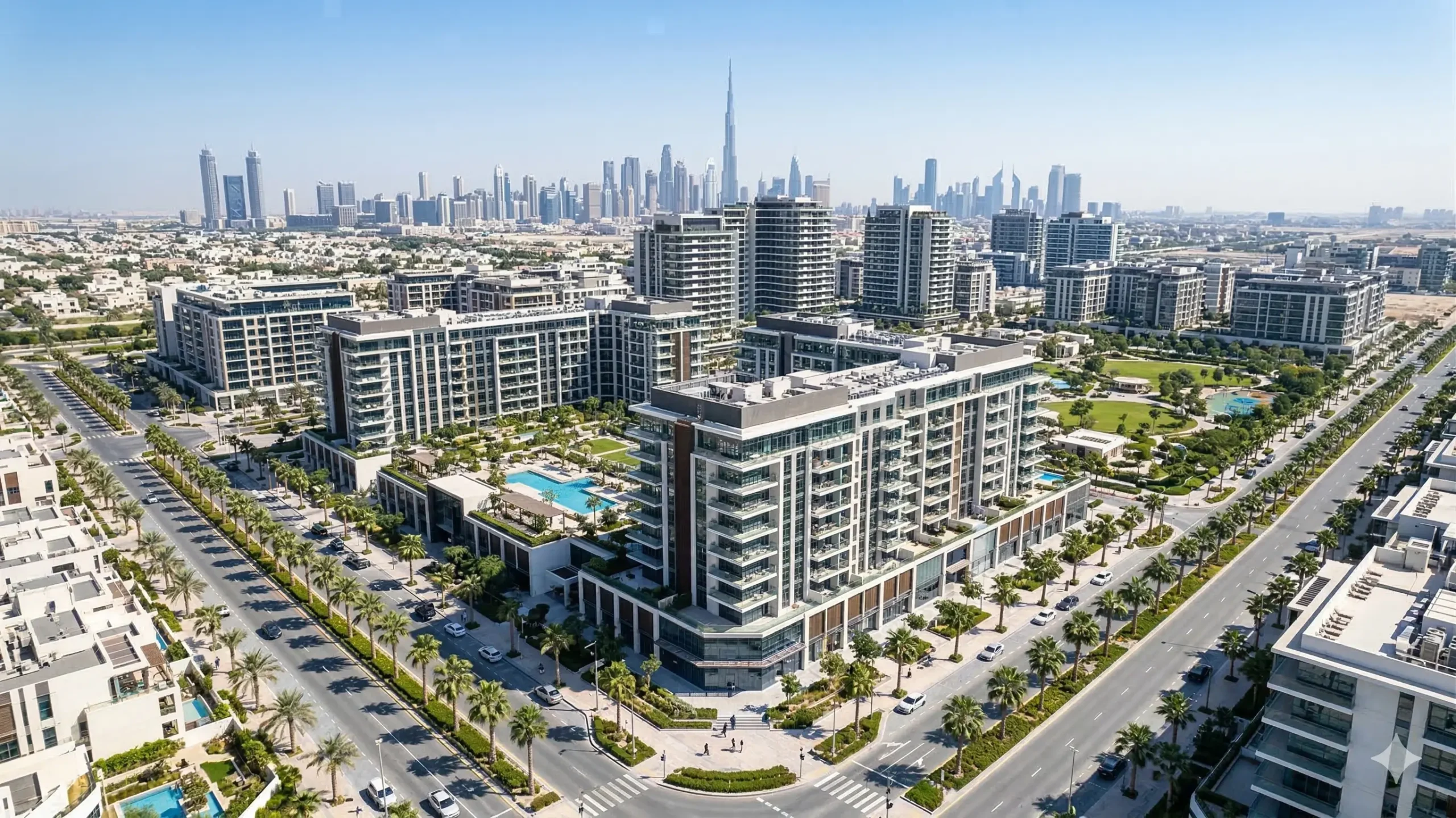
Dubai Hills Estate attracts interest through its established master planning, green spaces, schools, retail facilities and family-oriented housing options.
Off-Plan Investment Properties in Dubai
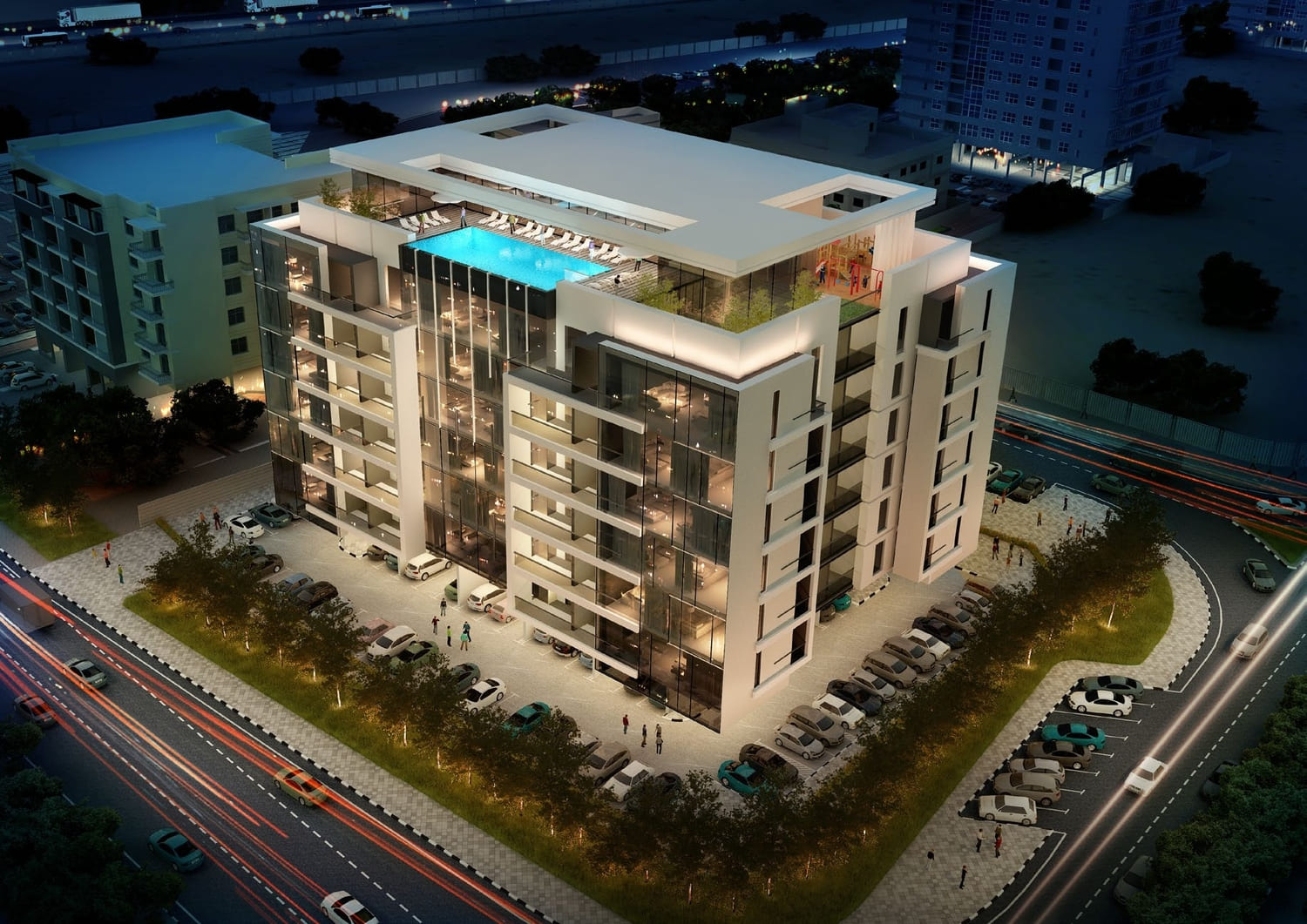
Off-plan investment properties in Dubai allow buyers to purchase units before construction is completed.
Developers including Emaar, Sobha Realty, DAMAC and other established companies offer projects with different instalment structures and completion schedules.
Potential advantages include:
- Construction-linked payment plans.
- Access to newly launched residential developments.
- Opportunities to select preferred layouts and unit positions.
- Potential appreciation as a community develops.
However, construction delays, changing market conditions and future supply can affect returns.
Before purchasing, investors should verify project registration, developer credentials, contractual obligations and escrow arrangements through the relevant Dubai Land Department services.
Ready Properties vs Off-Plan Investments
Ready properties offer the advantage of physical inspection and potentially immediate rental income. Buyers can assess building maintenance, existing tenancy arrangements and actual neighbourhood rental activity.
Off-plan developments may provide more flexible payment schedules but introduce construction and completion risks.
Investors seeking near-term rental cash flow may favour completed properties. Those with longer investment horizons may consider carefully selected off-plan projects.
The appropriate choice depends on financial capacity, risk tolerance and investment objectives.
High ROI Investment Properties in Dubai: Evaluating Returns
High ROI investment properties in Dubai should be identified through financial analysis rather than promotional return projections.
Rental yield provides an initial measurement of income relative to acquisition value.
Gross Rental Yield = Annual Rental Income ÷ Property Purchase Price × 100
For example, an apartment purchased for AED 1.2 million generating AED 84,000 annually would produce a gross rental yield of 7%.
However, this calculation excludes service charges, maintenance expenses, management fees, financing costs and possible vacancy periods.
Net rental yield provides a more realistic perspective on operating performance.
Investors should also consider:
- Historical rental transactions.
- Comparable property prices.
- Tenant demand and occupancy.
- Annual service charges.
- Potential capital appreciation.
- Resale liquidity and holding periods.
Capital growth should be evaluated separately from rental income because property values can fluctuate.
Property Investment Costs and Mortgage Considerations
The purchase price represents only part of the investment commitment.
Additional expenses may include Dubai Land Department registration charges, trustee fees, brokerage commission, mortgage arrangement costs and ongoing property management expenses.
Mortgage financing introduces further considerations, including interest rates, loan-to-value limits, repayment schedules and affordability requirements.
Investors should calculate total acquisition costs and maintain sufficient financial reserves for unexpected maintenance or periods without tenants.
Can Foreign Investors Buy Property in Dubai?
Dubai permits foreign nationals to purchase real estate in designated freehold areas, subject to applicable ownership regulations.
Before completing a transaction, buyers should verify title information, contractual terms, outstanding obligations and property registration details.
The Dubai Land Department oversees property registration, while the Real Estate Regulatory Agency contributes to regulation of the sector.
Eligible real estate investors owning qualifying property valued at AED 2 million or more may apply for a renewable ten-year UAE Golden Visa, subject to the relevant requirements and approvals.
Future Opportunities in Dubai's Real Estate Market
Dubai's long-term development direction includes transport investment, digital transformation, sustainable infrastructure and expanding residential communities.
Projects associated with Dubai South, waterfront districts and integrated urban communities may create new investment opportunities over time.
Smart-building technology, energy-efficient designs and convenient transport connections could also influence tenant preferences and property competitiveness.
However, infrastructure announcements alone do not establish future capital appreciation. Investors should examine confirmed project timelines, housing supply, employment activity and actual market absorption.
How to Buy Investment Property in Dubai
Before making a purchasing decision, investors should follow a structured evaluation process:
- Define investment objectives: Determine whether rental income, capital appreciation or portfolio diversification is the priority.
- Establish a realistic budget: Include transaction expenses and ongoing ownership costs.
- Compare investment locations: Review rental demand, infrastructure, amenities and competing supply.
- Evaluate properties: Assess building quality, developer reliability, service charges and resale potential.
- Verify documentation: Confirm ownership rights, registration details and contractual requirements.
- Complete the transaction: Follow the applicable Dubai Land Department registration and transfer procedures.
Professional legal and financial guidance can provide additional protection during significant investment decisions.
Frequently Asked Questions
1. Are Dubai investment properties suitable for foreign buyers?
Yes. Foreign nationals can purchase real estate in designated freehold areas, subject to applicable regulations and transaction requirements.
2. Which Dubai locations are worth considering for investment?
Dubai Marina, Business Bay, Downtown Dubai, JVC and Dubai South offer different investment characteristics. Suitability depends on budget, rental objectives and risk tolerance.
3. Can off-plan properties generate capital appreciation?
Off-plan properties may appreciate before or after completion, but returns are not guaranteed and depend on market conditions, project delivery and demand.
4. How can investors identify properties with attractive rental yields?
Compare verified rental transactions, acquisition prices, annual service charges, vacancy assumptions and operating expenses to estimate realistic net returns.
5. What should buyers check before purchasing investment property?
Buyers should verify ownership documents, developer credentials, project registration, financial obligations, property condition and the relevant purchase agreement.
Conclusion
Dubai investment properties provide opportunities across established residential communities, emerging developments and premium waterfront locations. Investors seeking sustainable results should prioritise accurate market research, realistic return calculations, regulatory compliance and long-term financial planning.
Whether the objective is rental income or future capital growth, a carefully selected property supported by thorough due diligence offers a stronger foundation than speculation.