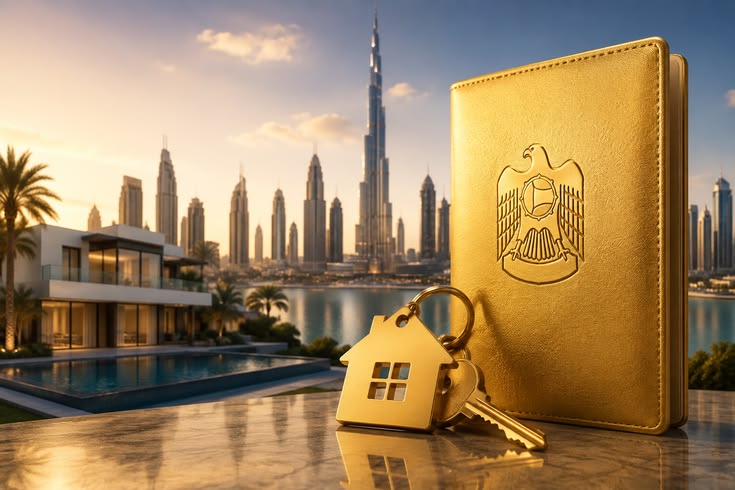
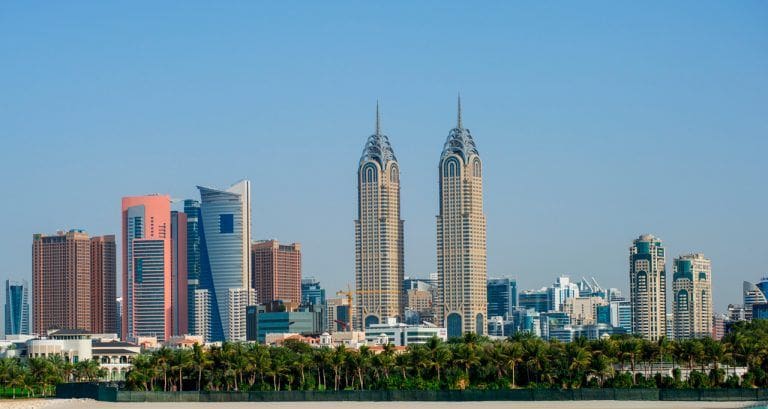
Dubai has become a global destination for buyers seeking secure property ownership, international connectivity, and lifestyle. For residents and overseas investors alike, Dubai freehold property provides an opportunity to own real estate in designated locations without a fixed ownership expiry. A successful purchase requires more than choosing an apartment or villa. Buyers should understand ownership rights, community fundamentals, transaction costs, and long-term investment risks.
This guide explores Freehold Properties in Dubai, from popular neighbourhoods and available home types to legal procedures, financing, and the technologies shaping tomorrow's property market.
What Is Dubai Freehold Property?
Freehold ownership gives the registered owner rights over a property without a predetermined expiry date, subject to applicable laws and any property-specific conditions. Under Dubai's real estate framework, non-UAE nationals may acquire freehold rights in areas designated by the government. The Dubai Land Department (DLD) maintains the official ownership register and issues title deeds for completed property transactions.
Freehold differs from leasehold, where a buyer generally acquires rights for a specified period, potentially up to 99 years. Importantly, an address within a well-known community does not automatically confirm a particular plot's ownership status. Verify the unit, title deed, and permitted ownership category before committing funds.
Can Foreigners Buy Freehold Property in Dubai?
Yes. Eligible foreign nationals can purchase designated freehold properties whether they live in the UAE or abroad. A UAE residence visa is not generally required simply to buy a qualifying property. Investors may purchase in their individual names, while corporate ownership follows additional registration and eligibility rules.
Before signing an agreement, check the seller's authority, the property's registration status, existing mortgages, and any restrictions. For off-plan homes, confirm that the developer and project are appropriately registered and understand how the purchase will be recorded. Legal advice can help cross-border buyers with complicated ownership arrangements.
Best Areas to Explore for Freehold Ownership
Different Dubai communities serve different lifestyles and budgets. Match the location to your goals:
- Dubai Marina: Waterfront apartments, established amenities, and public transport connections.
- Downtown Dubai: Premium towers near major attractions, offices, and retail destinations.
- Palm Jumeirah: Luxury beachfront homes, distinctive villas, and branded residences.
- Jumeirah Village Circle: Apartment and townhouse options across different price segments.
- Dubai Hills Estate: Family-focused housing, parks, and access to schools and leisure facilities.
- Business Bay: High-rise residences near a major commercial and hospitality district.
- Dubai Creek Harbour: Modern waterfront developments and master-planned neighbourhoods.
- Dubai South: Emerging residential communities linked to future infrastructure growth.
- Dubai Islands: Coastal residential projects with evolving lifestyle infrastructure.
Consider commuting routes, schools, existing services, construction activity, annual charges, and comparable transaction prices. Verify freehold eligibility at property level through official DLD channels.
Types of Freehold Properties Available
Buyers exploring Dubai Freehold Property for Sale will find everything from compact studios to substantial family homes. The right choice depends on how the property will be used, not simply its marketing description.
Freehold Apartments in Dubai
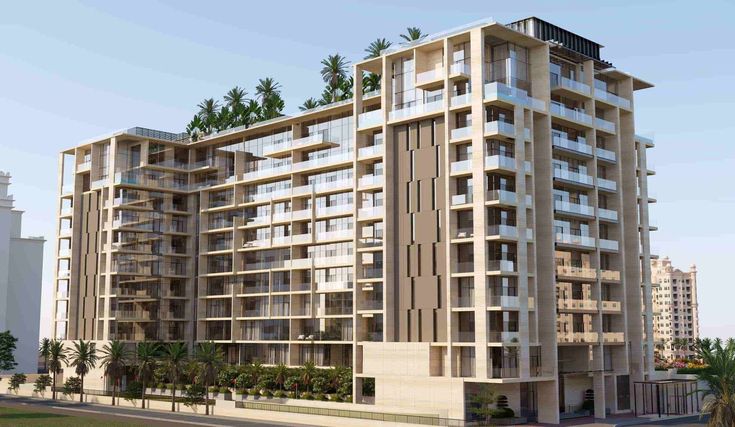
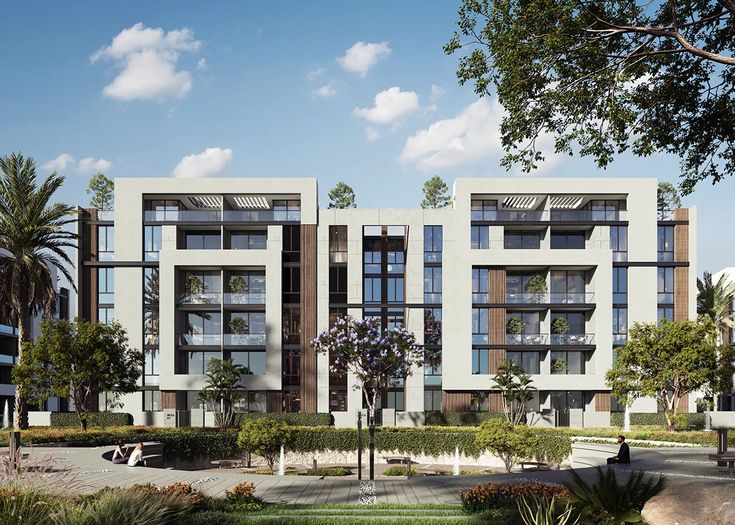
Freehold Apartments in Dubai range from studios and one-bedroom units to large penthouses. Compare usable floor area, building maintenance, parking allocation, furnishing status, floor level, views, and access to transport. For investment apartments, investigate realistic rent expectations alongside vacancy and service charges.
Freehold Villas in Dubai
Freehold Villas in Dubai attract families prioritising privacy, space, and outdoor living. Assess plot dimensions, built-up area, landscaping responsibilities, community rules, school access, and maintenance exposure. Townhouses offer another option for buyers who want multi-level homes within managed neighbourhoods.
Commercial premises and land may have different ownership and financing considerations.
Off-Plan or Ready Property: Which Fits Your Goals?
An off-plan home is purchased before construction is complete. Buyers may benefit from phased instalments and a wider selection of layouts, but face construction, delivery, and market risks. Review the developer's track record, escrow arrangements, sale and purchase agreement (SPA), payment milestones, and anticipated handover date.
A ready property allows physical inspection and may support immediate occupancy or leasing. However, buyers should still investigate building quality, tenancy status, outstanding service charges, and potential renovation costs.
A flexible payment plan is not the same as a discounted property. Compare the total acquisition cost, financing terms, and expected cash flow before deciding.
How to Buy Freehold Property in Dubai
A disciplined purchase process reduces avoidable surprises:
- Define your strategy. Set a budget, preferred community, intended use, and realistic holding period.
- Compare verified options. Review asking prices against recent completed transactions and inspect suitable properties.
- Check documentation. Verify ownership, seller identity, project status, mortgage liabilities, and freehold eligibility.
- Agree on terms. Review the reservation documents or SPA, deadlines, deposits, and contractual obligations.
- Arrange financing. Obtain mortgage pre-approval where required and understand the final loan conditions.
- Complete registration. Follow the applicable DLD transfer or off-plan registration procedure and retain official records.
For resale transactions, a developer's no-objection certificate may be required. Completed transfers lead to an electronic title deed; off-plan registration follows a different initial-registration process.
Understand Prices, Fees, and Financing
Purchase price is only one part of the budget. Dubai's standard property sale registration fee is 4% of the sale value. The official service schedule identifies a 2% seller share and 2% buyer share, although parties can agree on a different allocation. Additional trustee, title deed, map, mortgage, brokerage, and developer fees may apply.
Mortgage eligibility, deposit requirements, and interest rates vary by lender and buyer circumstances. Consider future rate changes and available cash reserves rather than calculating affordability solely from the first monthly payment.
Owners of jointly managed buildings should also check annual service charges. The DLD's Service Charge Index can help verify approved charges for relevant projects. These ongoing expenses directly affect investment profitability.
Evaluating Dubai Freehold Property Investment
A sound Dubai Freehold Property Investment starts with evidence rather than promised returns. Review recent sale transactions, achievable rental levels, tenant demand, competing developments, and the area's infrastructure pipeline.
Gross rental yield equals annual rent divided by purchase price, multiplied by 100. Net yield accounts for recurring expenses such as maintenance, service charges, management, and vacancy. Capital appreciation is possible, but prices can also fall, especially where supply rises faster than demand.
Consider exit liquidity too. A property attracting many prospective tenants is not necessarily easy to resell at your preferred price. Diversification, realistic holding periods, and conservative borrowing can help manage exposure.
How Technology Is Reshaping Freehold Ownership
Dubai's property market is becoming more data-driven. Digital registration services, searchable transaction records, location analytics, and increasingly sophisticated property platforms help buyers compare opportunities more efficiently.
Over time, AI-assisted valuations, energy-performance information, smart-building systems, and improved neighbourhood data could make property selection more transparent. Nevertheless, automated estimates should support—not replace—physical inspections, legal checks, and independent financial analysis.
For long-term buyers, building efficiency, walkability, public transport, and adaptability to changing work patterns may prove as important as today's skyline views.
Freehold Property and the UAE Golden Visa
Qualifying real estate investors may be eligible for a ten-year renewable Golden Residence. Official guidance identifies a property ownership threshold of AED 2 million, subject to documentation, financing, and other applicable conditions. Buying property does not automatically grant residency, and criteria should be checked with the relevant immigration and land authorities before purchase.
Frequently Asked Questions
Is freehold ownership permanent in Dubai?
Freehold rights have no fixed expiry in designated areas, although owners remain subject to applicable laws, building rules, and registration requirements.
Can non-residents buy freehold homes?
Yes. Foreign buyers living outside the UAE can purchase eligible properties. Financing and documentation requirements may differ from those for residents.
Are freehold and leasehold the same?
No. Freehold offers ownership without a defined time limit; leasehold grants rights for an agreed term under the relevant agreement.
Can owners rent or resell their properties?
Generally, owners may lease or sell their properties, subject to applicable regulations, tenancy commitments, and any valid restrictions.
Which area offers the best investment return?
There is no universally best area. Compare net rental income, purchase price, supply, infrastructure, tenant demand, and resale prospects.
Conclusion: Choose Ownership With a Long-Term View
Buying Dubai freehold property can combine lifestyle flexibility with potential rental income and long-term ownership. The strongest decisions come from verifying the legal status of the exact unit, understanding total costs, and choosing a community that suits your financial goals. Fundamentals matter more than hype. Explore carefully selected properties, request clear documentation, and consult qualified professionals before taking the next step.